Photo: Museo dell’Occhiale
Tell me a story
Back to storiesabout
Eyewear: A Thousand-Year History
Founded in 1990, the Eyewear Museum of Pieve di Cadore houses hundreds of unique, antique, and rare pieces from around the world. It tells the story of the origins of the Veneto eyewear district, to which industry leaders such as Marcolin also belong.
The Collections
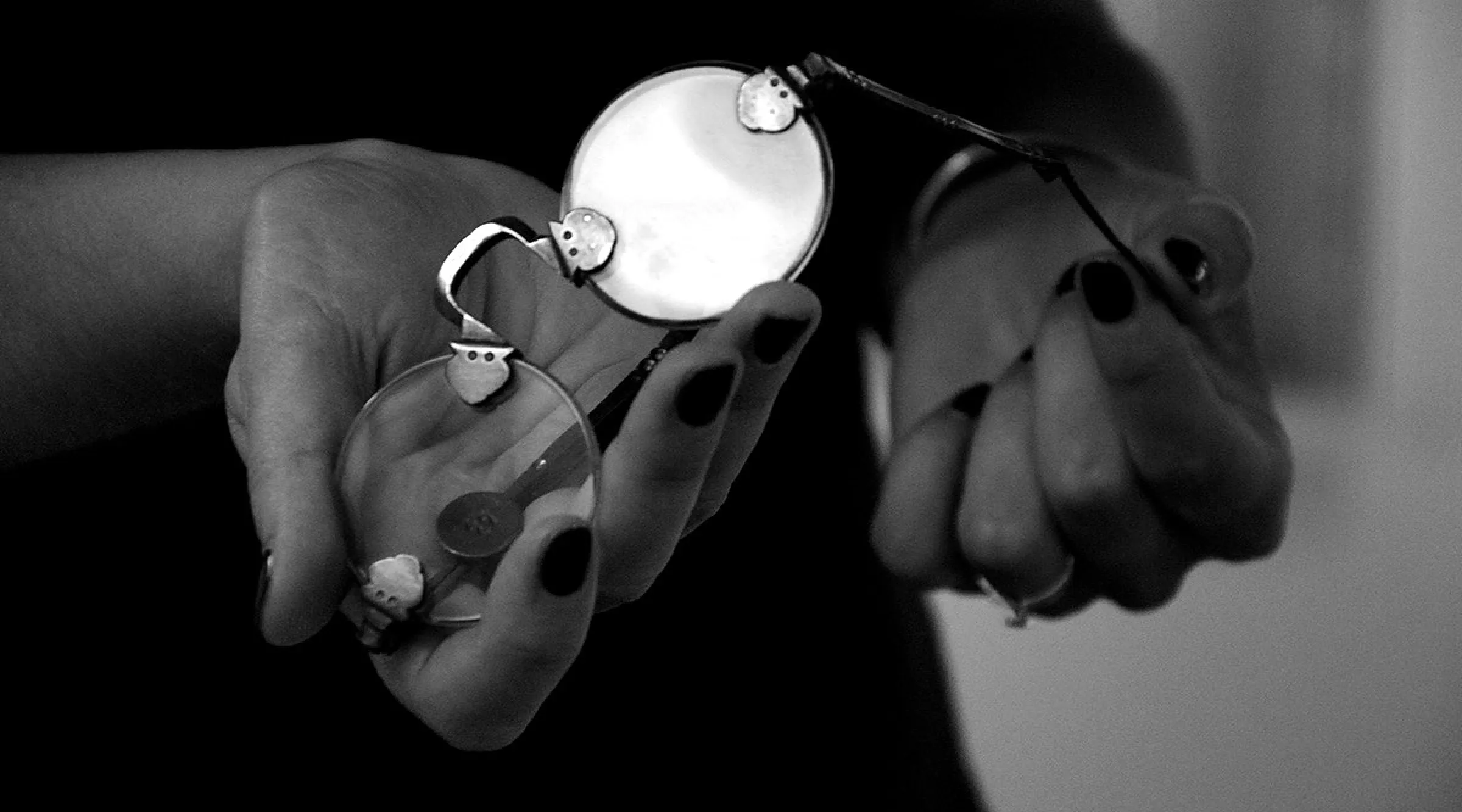
From the first corrective lenses, invented in the 1200s, to the Venetian eyewear industry of the 14th century, and on to frames made of bone, horn, wood, and metal, the collections include arch, wig, or hat eyeglasses, as well as the first rigid side arms invented in the early 1700s—these are just a few examples of the rare items on display at the Eyewear Museum of Pieve di Cadore. Thousands of historic objects can be found there: frames, prescription and sun lenses, cases, and true rarities such as eyeglasses made from whale baleen and carved, decorated ivory, as well as miniature spectacles ingeniously built into the tips of fans or into walking stick handles. Together, they create a journey through the history of eyeglasses—from their origins to the present day.
The Museum’s History
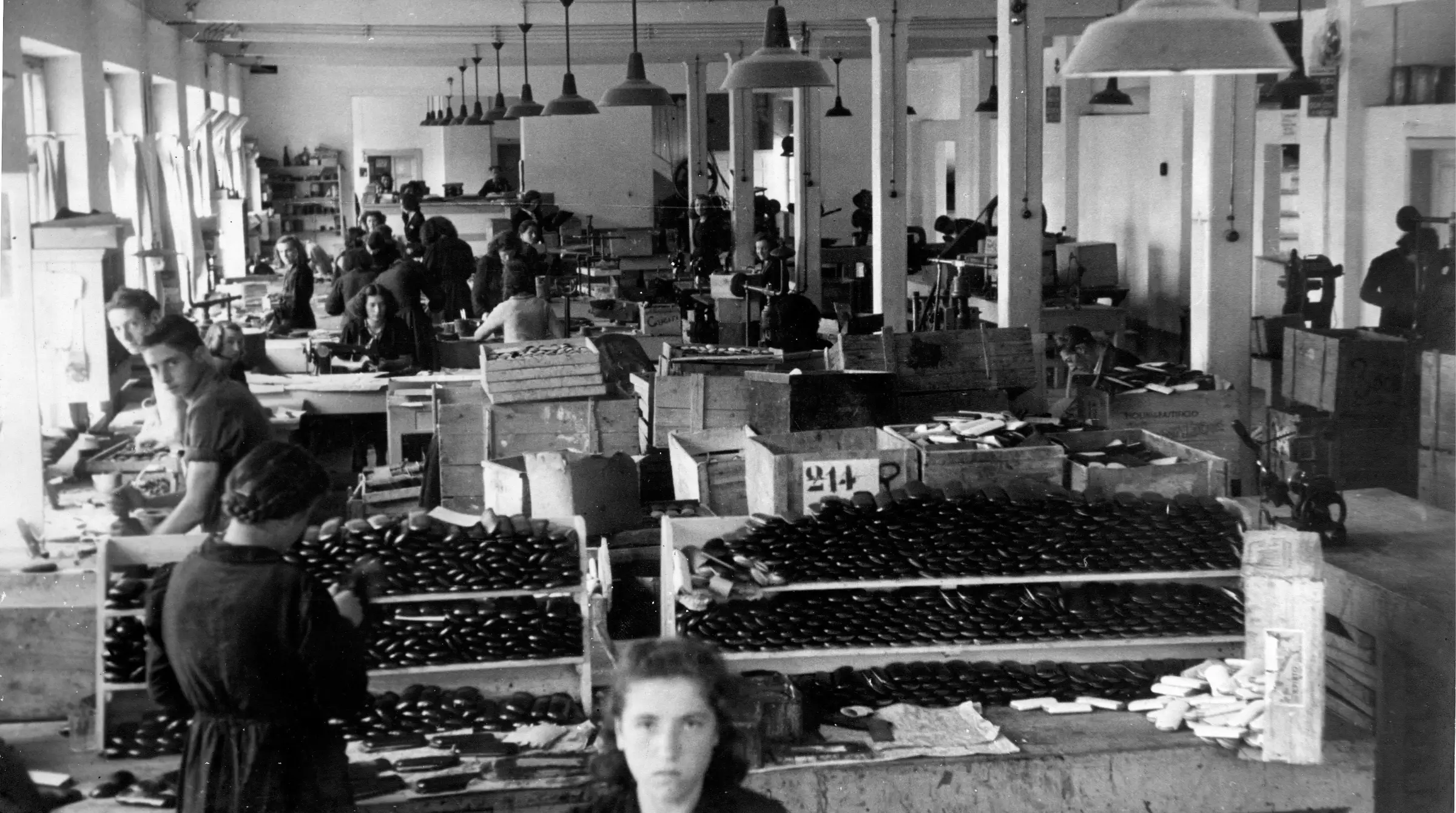
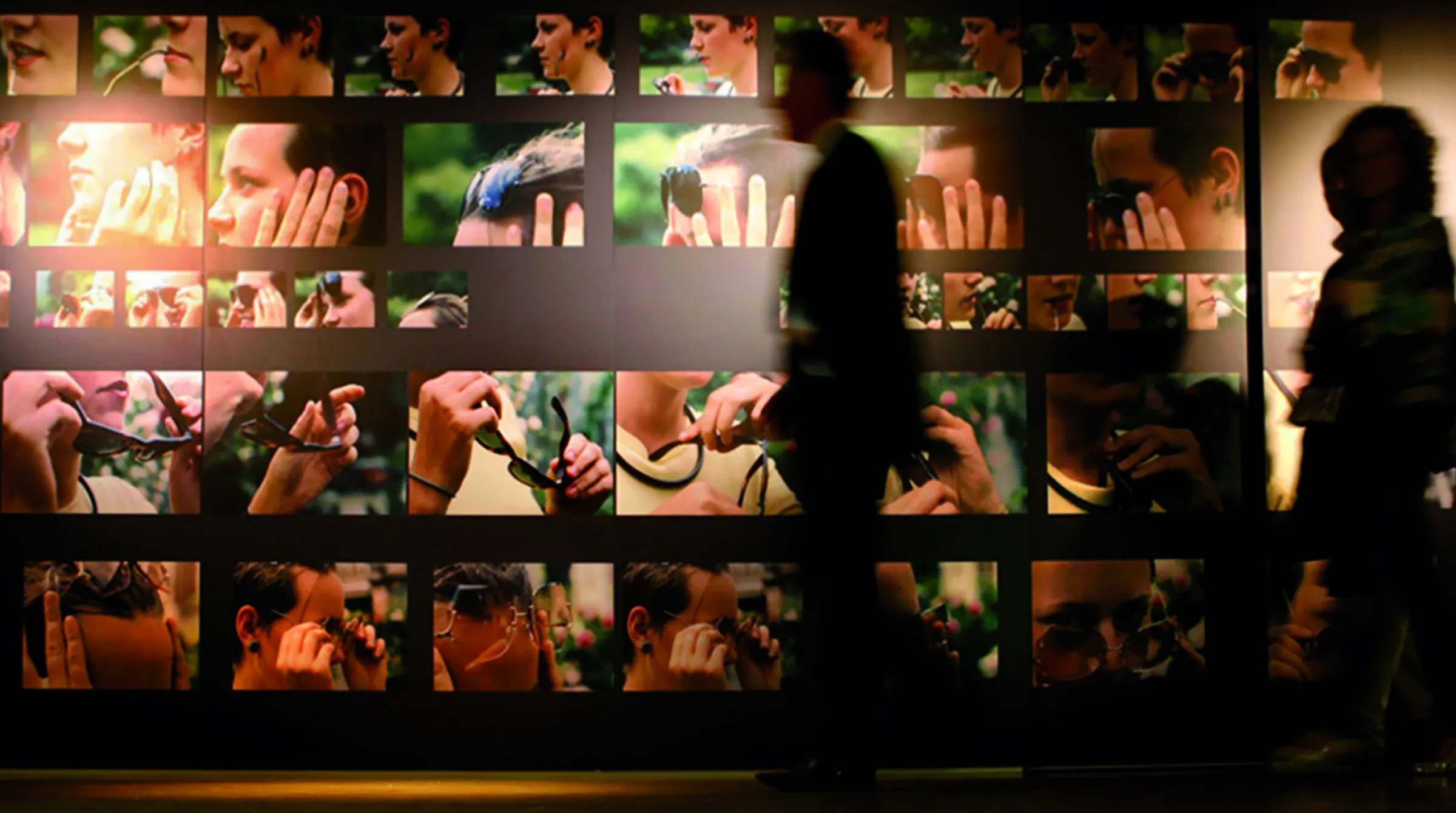
The first idea for the museum dates to 1956, following the success of the exhibition “Eyewear Through the Centuries,” organized in Pieve di Cadore during the Winter Olympics in nearby Cortina d’Ampezzo. But the current museum, now managed by the foundation of the same name, officially came to life in 1990, after the acquisition of several important private collections. Spread across two floors, the museum today offers a chronological exhibit that ends on the upper floor with historical images, documents, and environmental reconstructions illustrating the origins of the local industrial eyewear district.

The Rarest Pieces
Among the museum’s display cases are Renaissance-era frames made of silver, ivory, and tortoiseshell, along with bifocal lenses from the 1600s and the first sunglasses, created in Venice in the 1700s: Venetian eyeglasses with green lenses were a true symbol of elegance and protection for the aristocracy. On the upper floor, visitors discover that the Italian eyewear industry was born in Calalzo di Cadore, where the first lightweight frames and pince-nez were produced. Meanwhile, in the 1920s in Turin, the first smoked lenses for sun protection were being tested.
We then reach the 1930s: eyeglasses start making their mark in cinema, and from that moment, a true boom begins—one that has never stopped, transforming eyewear into the lifestyle and personal identity symbol that it is today.