Marcolin: a 65-Year Legacy

The Founding Year

We may have forgotten, but in the early 1960s Italy was, quite literally, a different country. After running water and electricity, the first household appliances were beginning to enter homes, Fiat had just launched the 500, and the Autostrada del Sole motorway was still under construction.

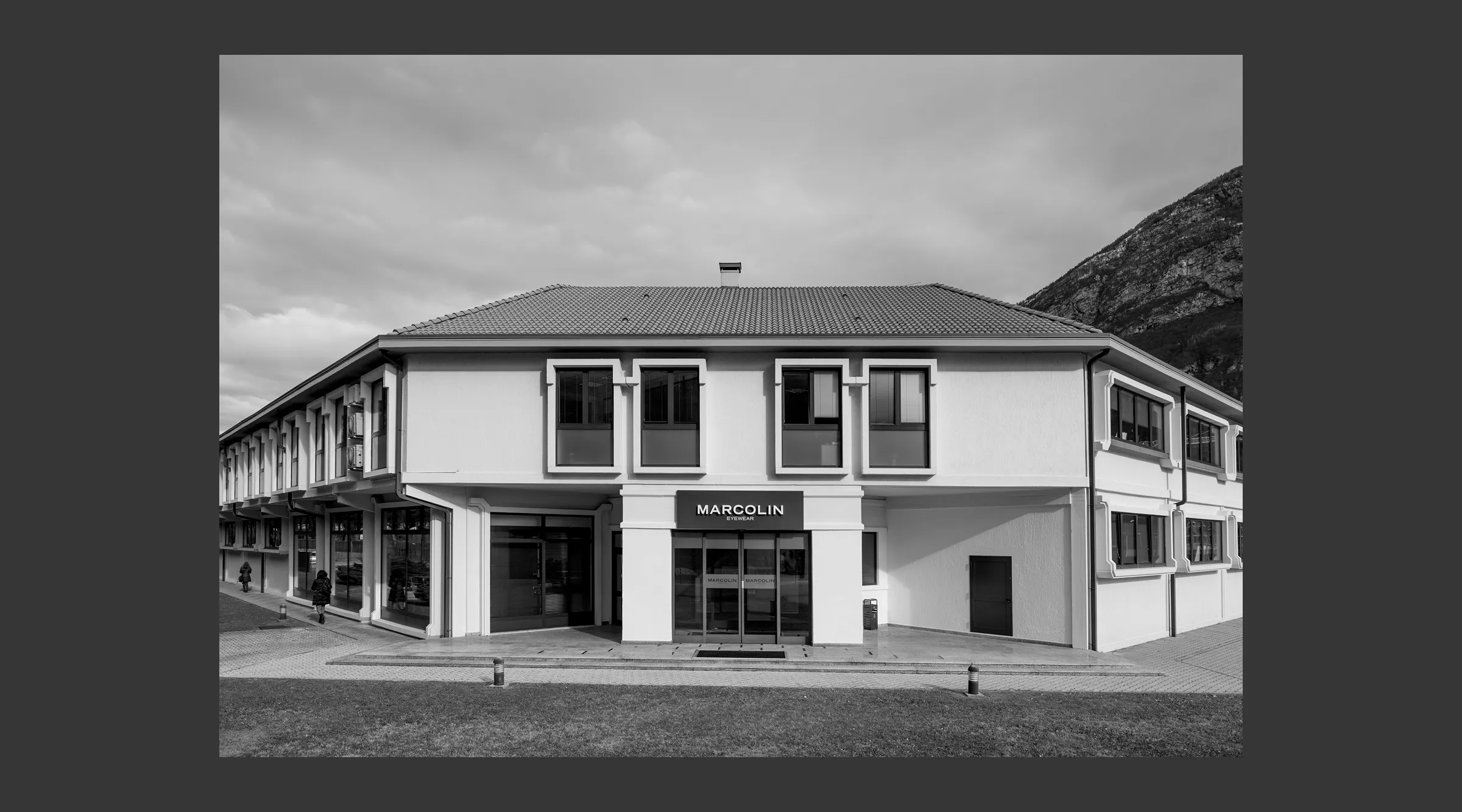
These were the years of the economic boom, an extraordinary period of growth and opportunity, when the Italian economy was transforming, moving away from its agricultural roots. Small artisanal workshops in the Veneto region became central players in the country’s industrial development. It was within this context that the “Veneto Eyewear District” was born, the ideal environment for manufacturing temples and components for third-party eyewear producers. And it was precisely in this setting that Giovanni Coffen Marcolin began his entrepreneurial journey. In 1961, with a single machine installed in his basement and the support of his wife, he founded his own “artisan workshop” in Cadore.
The Company Takes Shape

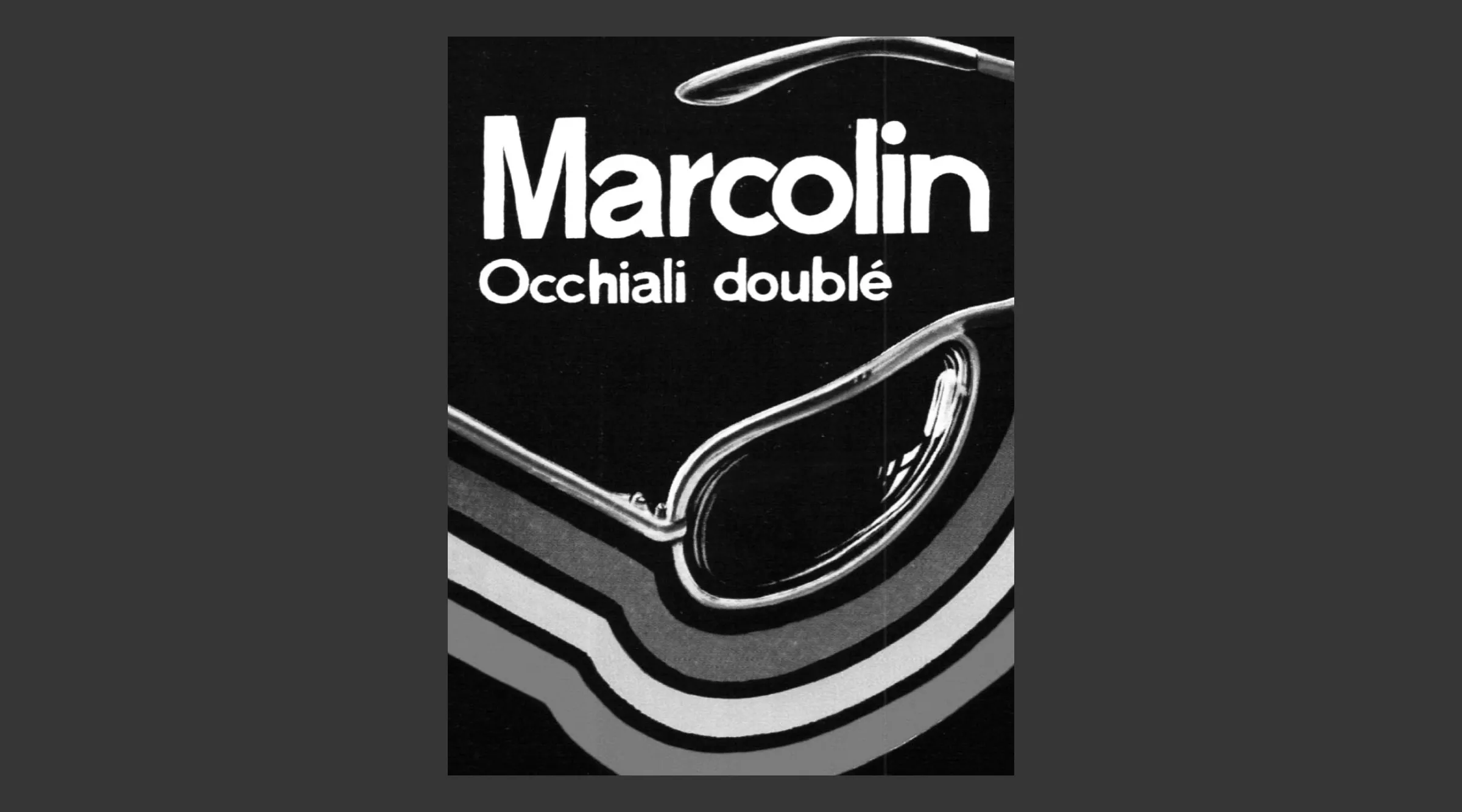
Reading the early chapters of Marcolin’s history, one immediately understands Giovanni Coffen Marcolin’s first great strength: his ability to recognize the signals of change in a world where excellence and innovation were becoming essential. But crucially, he understood that growth required moving beyond the boundaries of a small artisan workshop.Thus, in 1964, “Marcolin Occhiali Doublé” was established. No longer a small family-run operation, but a growing company employing dozens, and soon hundreds, of local workers. The brand began reaching a broader audience through advertising, initially sponsoring ski competitions in Cortina, followed later by campaigns in newspapers and on television.From that moment onward, Marcolin’s success continued to expand. Three years later, the company relocated and expanded its facilities, first to Vallesella di Cadore and then, in 1980, to Longarone, where its headquarters remain today, now complemented by the new production plant in Fortogna.
An International Outlook

Marcolin’s second key strength? Its immediate international vision.

In 1968, the company made its debut on the global market, starting with the United States, distributing its products through a network of eight distributors. A few years later, it entered France, opening a subsidiary there in 1976, soon followed by branches in Switzerland and Germany.

Throughout this expansion, the company maintained direct and personal relationships with its partners, just as the founder had done in his small workshop in Cadore.

It is precisely from that unique cultural and geographical context, the cradle of Italy’s finest manufacturing tradition, that Marcolin’s success can truly be understood today. A company capable of combining artisanal excellence with advanced technologies, continuous research into materials, and refined design.

Qualities that, even today, the world continues to admire and value.
Zhang Hongyang

1

What does this symbolic animal of 2026 represent?

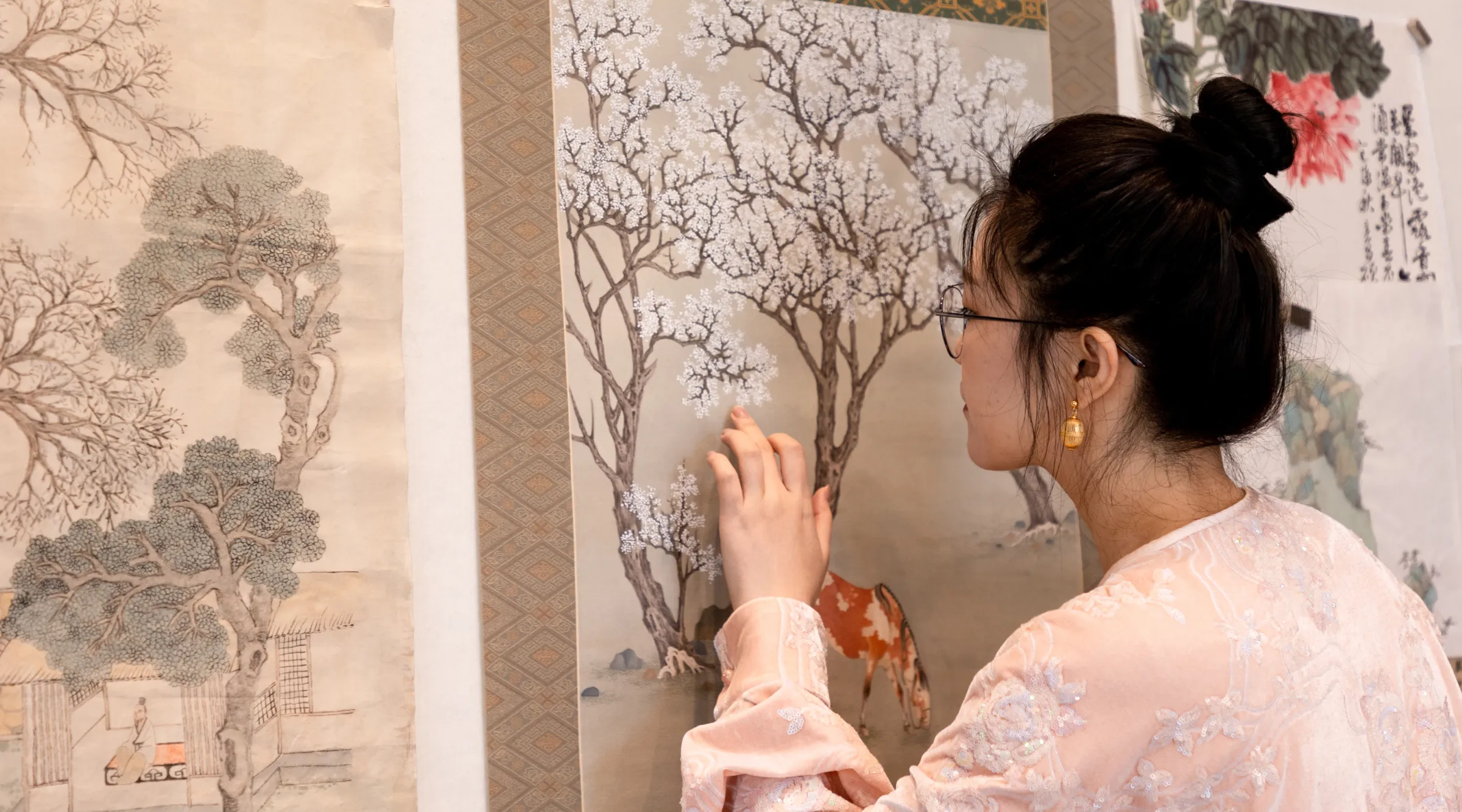
«With the arrival of the Chinese New Year, this steed charges forward. It carries the clarity of a new vision and the boldness of a new style—a momentum infused with power and grace. But it is when art meets craftsmanship that inspiration truly takes shape: together with Marcolin, we created a steed called ‚New Vision.‘ From a single brushstroke to a fully realized frame, from concept to product, this is not just the birth of eyewear—it is an aesthetic journey that begins in the Year of the Horse».

2

Your works convey both immense energy and meticulous study. Do you see parallels with a designer’s work?

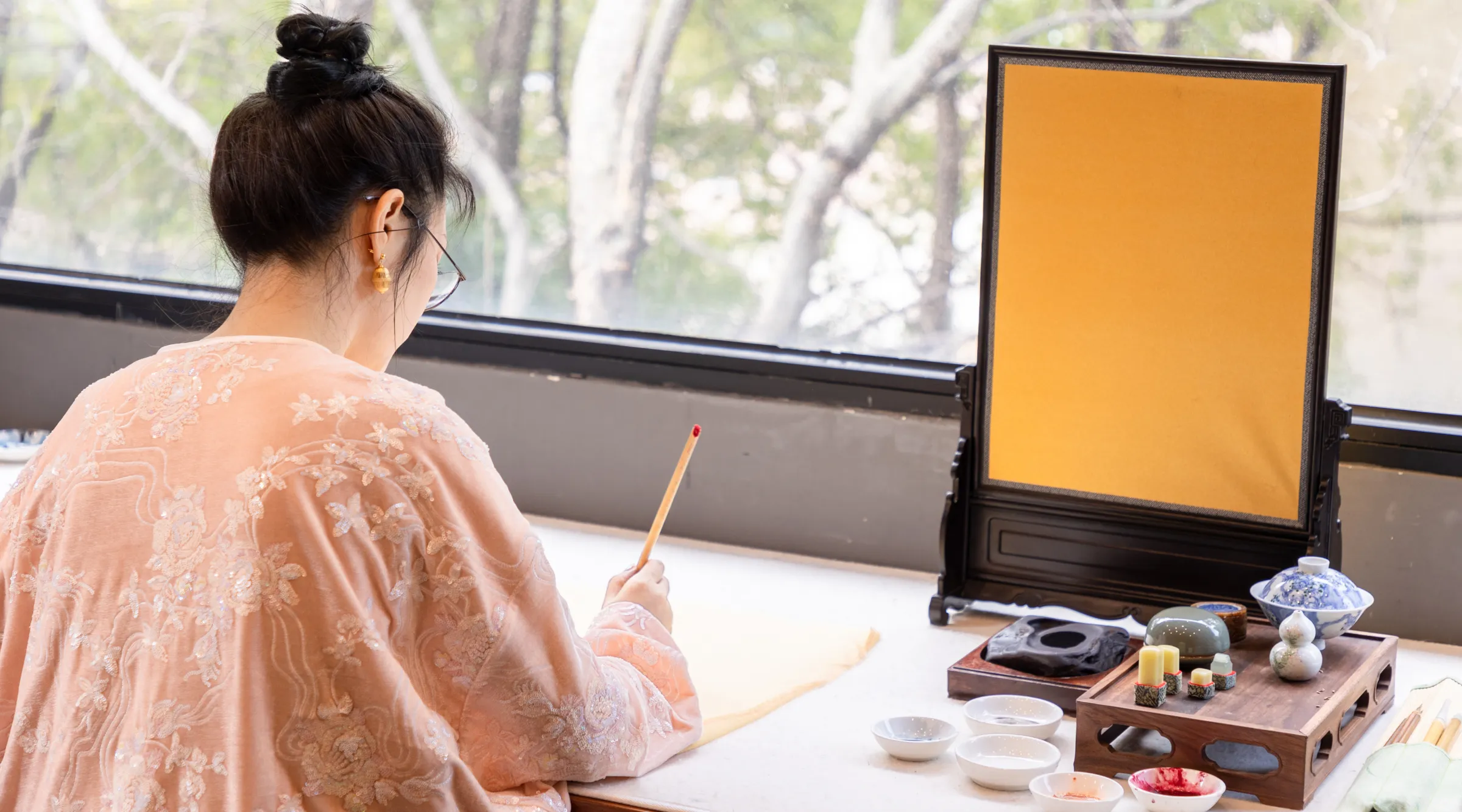
«A painting always starts with a single line of inspiration, evolving into a considered form and only completed when its spirit emerges. A new Marcolin frame follows the same path: precisely sculpted, imbued with character, and finished with soul. It is an artifact of vision, both literal and figurative. Eyewear design and artistic creation share the same essence: creativity as foundation, craftsmanship as structure. In painting a horse, a single precise stroke can define the clarity of its gaze, while a splash of ink captures the drive of its gallop. This mirrors the craft of eyewear, where the design of components, executed with millimetric precision, coexists with the intuitive hand-sculpting of curves».

3

How can the choice of material influence the final outcome?

«When selecting canvases, pigments, or inks, the material itself—for instance, the absorbency of rice paper or the texture of oil paint—deeply shapes the expressive result. The same applies to eyewear design: the choice of materials, from acetate to metal to innovative bio-based compounds, defines the tactile quality and user experience of the object».

Alberto Fratantonio

1

More than two years ago, after an extensive professional journey in the eyewear industry, you became Head of the Southern EMEA area for Marcolin. What are the strengths and challenges that characterize this particular market segment?

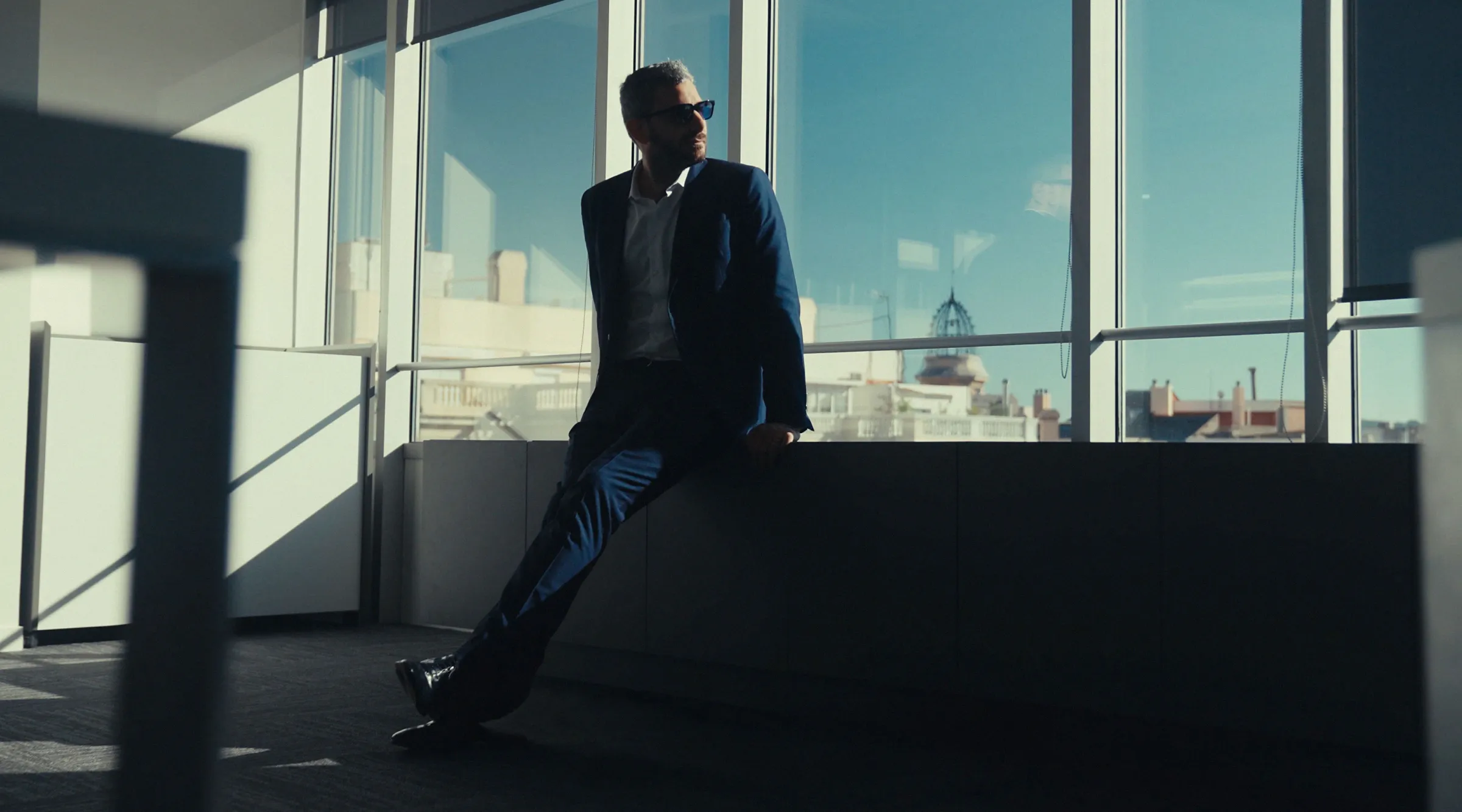
«Southern EMEA represents a significant and well-established part of the European market, where our main strengths are diversity, solidity, and relationships. Here, we have the right mix of sales channels, combining independent opticians with chain stores. Over the years, we have invested heavily both to consolidate traditional channels and to implement platforms for automated restocking management. Looking ahead, I see two main challenges: finding the right balance between craftsmanship and technological innovation, and generational change. In terms of innovation, for example, we are at a crucial historical moment: AI will profoundly reshape the current landscape, and we must be ready and prepared to harness its enormous potential ethically, with the goal of being the best partner for our clients».

2

Between technological innovation, design, and artisanal quality, which “ingredient” makes the difference when choosing a pair of glasses?

«There isn’t one ingredient more important than the others: craftsmanship, design, and technological innovation are all essential today to maintain a healthy and fruitful business relationship. Almost everyone asks for the same things: an excellent product, quality relationships, and impeccable after-sales service. That is why, in recent years, we have invested heavily in these pillars, with the goal of putting the client at the center of most decision-making processes»

3

On the occasion of the inauguration of this new showroom in Barcelona, how do you think the new Marcolin home can serve as a lever and advantage for clients in the Iberian area?

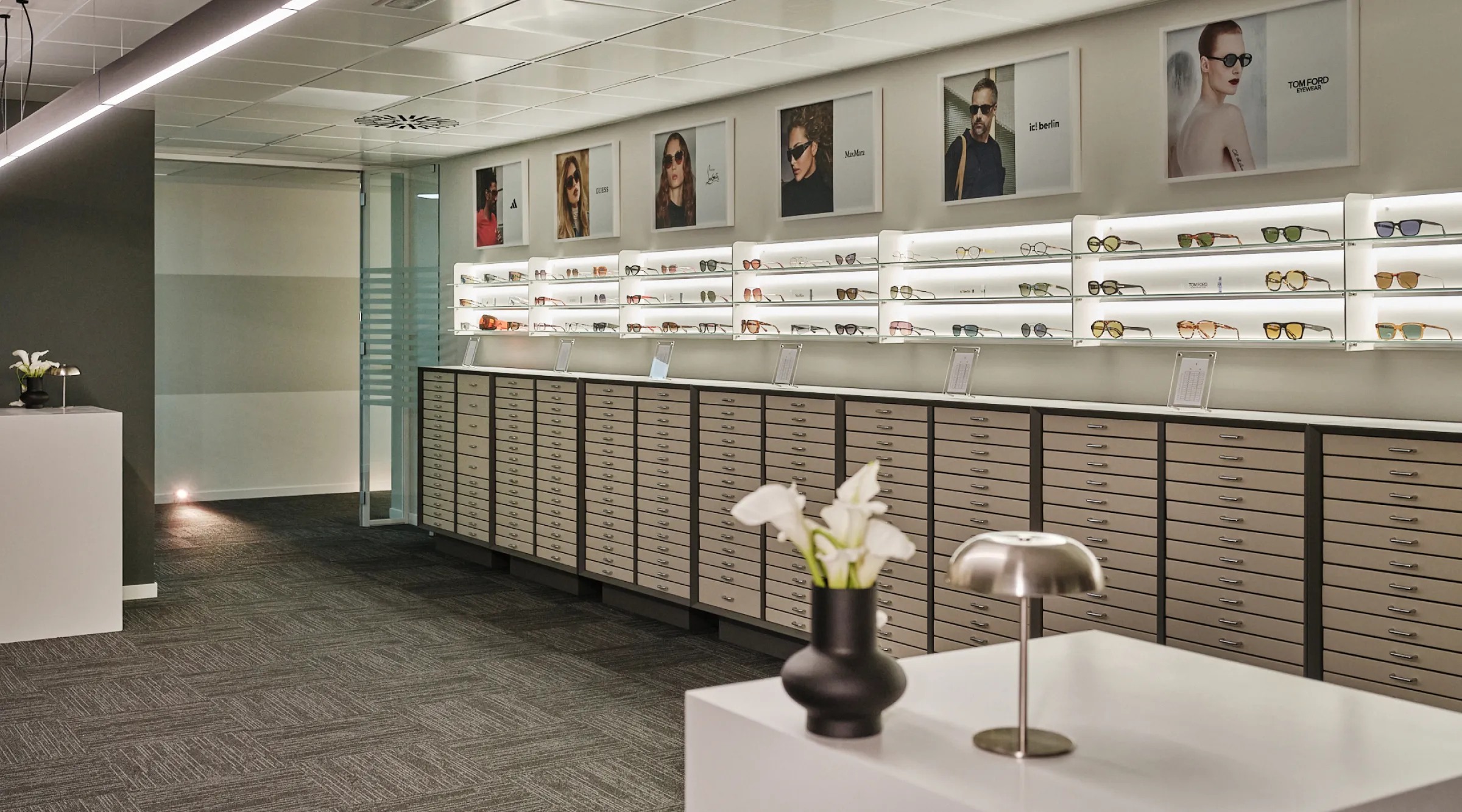
«Barcelona is the latest in a series of important Marcolin inaugurations worldwide, following New York, London, and Paris. This new space will allow us to place our clients even more at the center, continuing to strengthen our relationships with them. Opening the doors of our new home will also allow us to organize sales and training events, as well as present our extraordinary brand portfolio in a truly unique setting».

Jordan Keys and Alessandro Melis

Jordan Keys:

How did the idea for Vision Reframed come about?

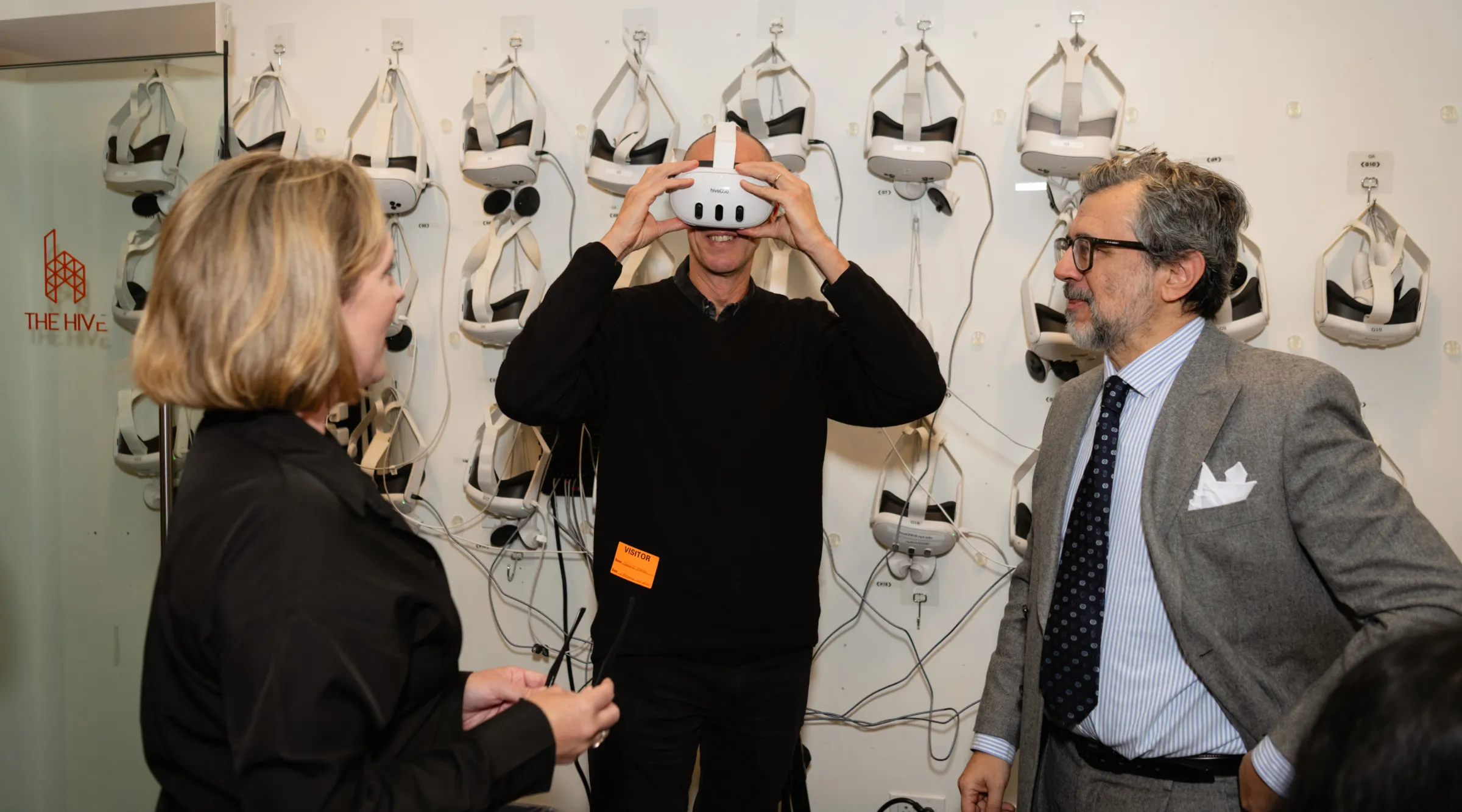
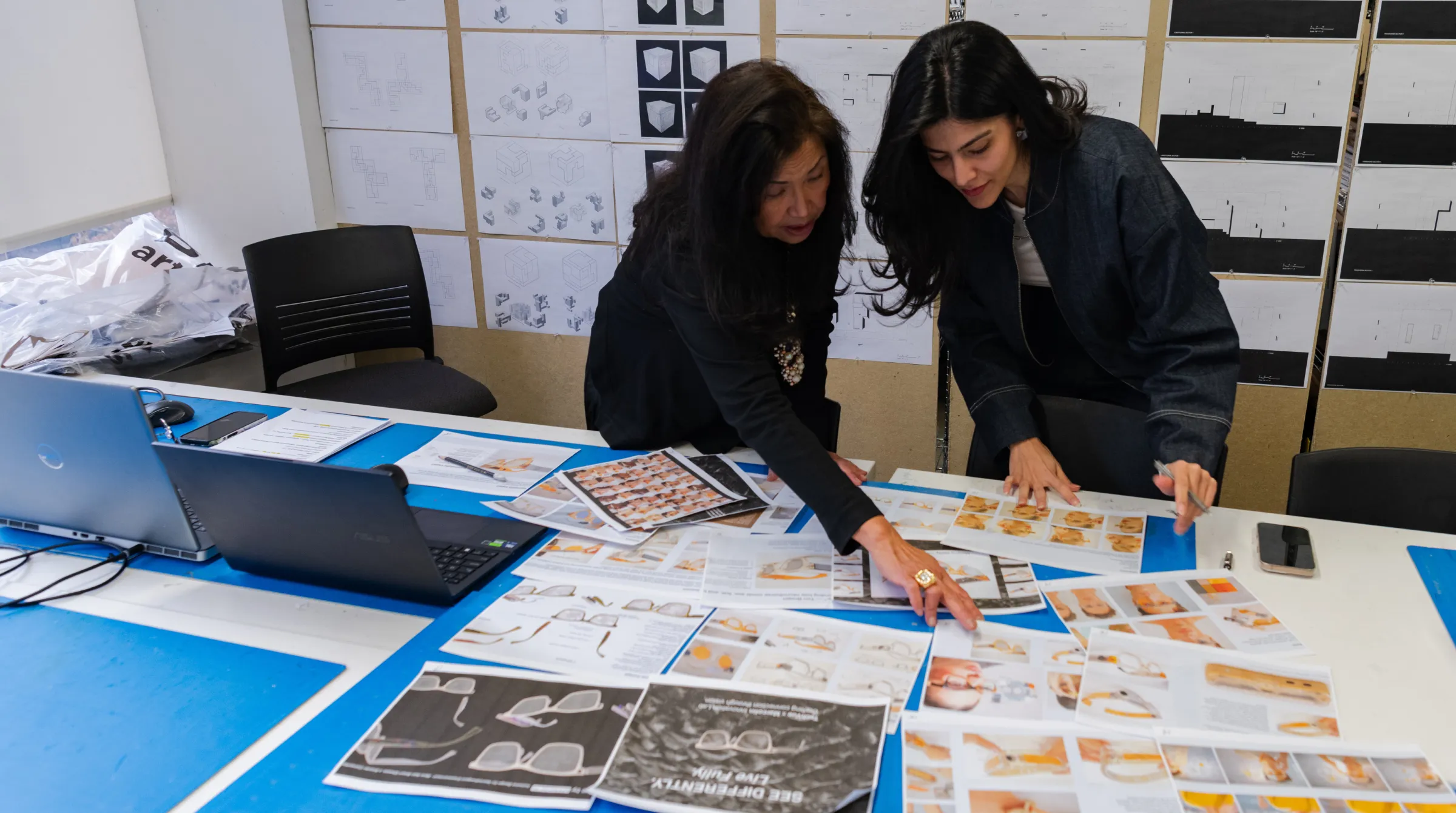
«Vision Reframed grew out of a collaboration with one of my colleagues—an idea that truly spotlighted our mission at New York Tech: fostering innovative, collaborative projects. Being able to bring together our schools, the School of Architecture and Design and the College of Osteopathic Medicine, along with our industry partner Marcolin, allowed us to develop not just an abstract idea but something genuinely innovative and tangible».

Alessandro Melis:

Combining design, sustainability, well-being, and innovation requires navigating very different languages. What challenges and opportunities arise from merging these worlds?

«Bringing together design, health, and innovation is actually the very reason we organized the workshop. And this reason has become even more crucial today, in times of global crisis, because finding solutions now requires the contribution of people with different skill sets».

Jordan Keys:

Did it help you understand the potential of interdisciplinary collaboration?

«This project genuinely highlighted the value of interdisciplinary work in ways I could never have imagined. It made us reflect on how, in this technological era—with advancements like artificial intelligence—we simply cannot operate in isolation. Collaboration is essential: osteopathic medicine students working hand in hand with Architecture and Design students. Not only because it enables us to create a truly innovative product for people with diverse disabilities, but also because it let us reach technological heights that, as a physician, I could never have imagined».

Alessandro Melis:

Which ideas from the workshop best embodied the concept of ‘borderless design’?

«It’s impossible to single out just a few: all the ideas presented at the end of this journey fully embraced the complexity involved in designing a pair of glasses, and they all worked toward a universal design—not aimed at a specific target. We often tend to see technology as something distant from creativity, even as a limitation for design. But in this workshop we discovered the opposite: technology does not belong to a separate realm; it’s the tool that can bring together various dimensions of design, starting with careful attention to materials. Because diversity in creativity—and technology itself—is the driving force behind the designer of the future».

Jordan Keys:

How is the role of universities changing in promoting innovation and shaping the next generation of creatives?

«Industry and academia now depend completely on each other. At the university, we’re training the next generation of professionals—truly the most intelligent and capable generation I’ve ever worked with. But when you turn to industry, you have to ask: what does the community need? And when both sides come together, that’s when the most innovative and stimulating ideas can emerge».

Alessandro Melis:

Today the designer’s role seems to be shifting from ‘creator’ to ‘connector.’ How do you see this transformation?

«As a return to the origins of what the designer’s true creative role is. Students are often taught that the word architect means ‘master builder,’ but Aristotle originally gave it a different definition: the architect as a creator of ideas. And that is exactly what we hope to inspire in the next generation of designers».