In conversation with CARLO CAPASA

Boundless visions
Back to storiesof
Carlo Capasa
For the third year in a row, April 15 marks the National Day dedicated to Made in Italy. An opportunity to discover outstanding manufacturing realities such as Marcolin, a leader in the eyewear sector within the “eyewear district” and a member of the National Chamber of Italian Fashion, of which Carlo Capasa has been President and board member since 2010.
We met with him to discuss what we should focus on today to continue promoting Made in Italy.
Craftsmanship and sustainability (alongside creativity) are essential pillars of Made in Italy. In the face of rapidly evolving scenarios, what should we focus on most in the future?
«Craftsmanship and sustainability have always been two fundamental elements of Made in Italy. Our real strength lies in the supply chain: an extraordinary network of companies and skills that we must continue to enhance. Looking ahead, it will be increasingly important to invest in training young people and in innovation within production processes, while preserving the manufacturing quality that makes our products recognizable worldwide».
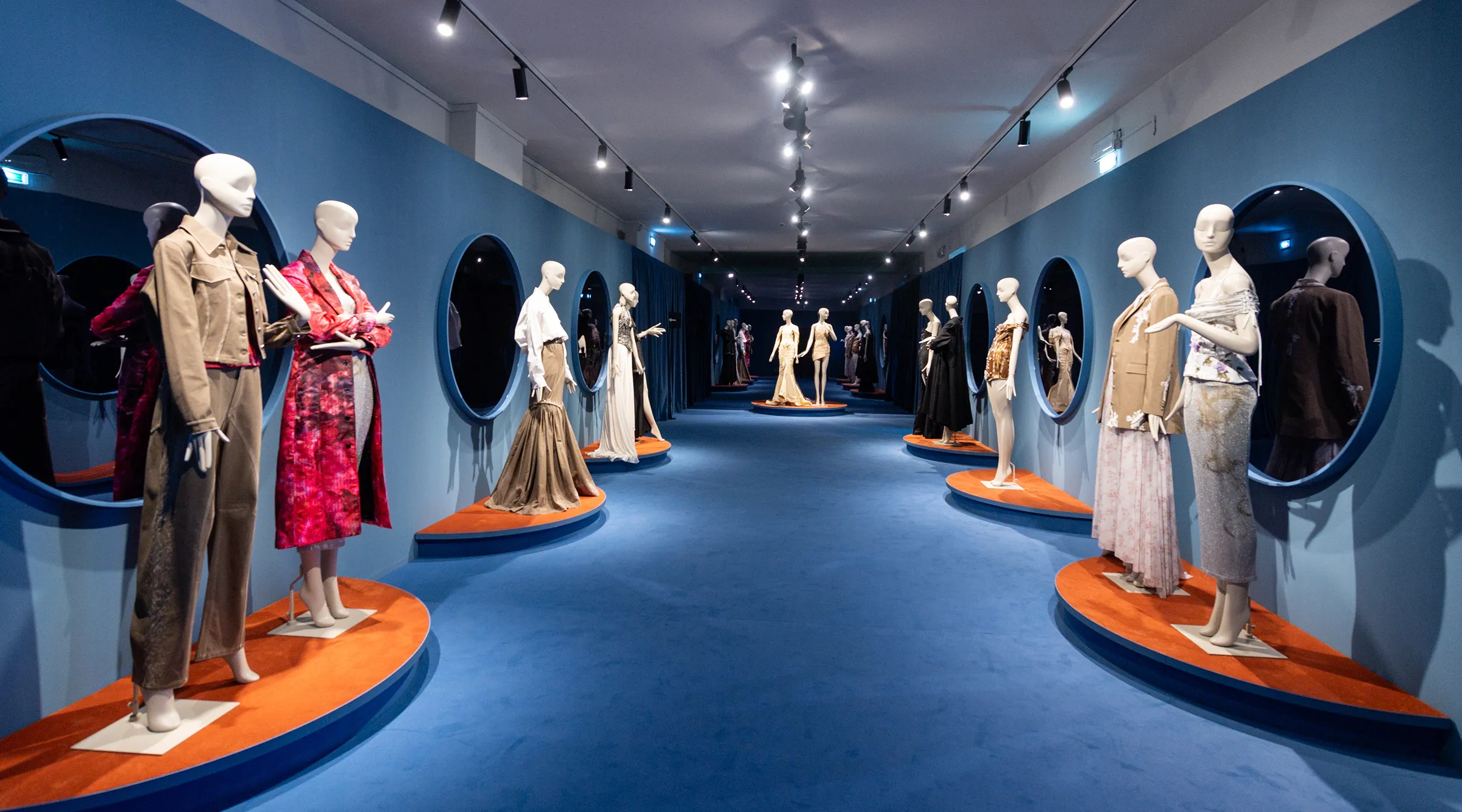
Alongside Fashion Week, Vogue World will also take place this year. Do events like these mainly serve to reaffirm an identity, or to introduce new talents to the world?
«Events like Vogue World are primarily about telling the story of Italian fashion to the world. They help strengthen Milan’s international role while also offering great visibility to emerging talents. The strength of Italian fashion lies precisely in this balance between historic brands and new creative generations».

The fashion ecosystem also includes another Italian excellence: eyewear, a sector in which Marcolin has long been a recognized leader. Between AI and new commercial challenges, how do you see the future of this industry?
«Eyewear is a sector in which Italy has built a very solid leadership over the years, thanks to the quality of design and manufacturing. New technologies, including artificial intelligence, will play an increasingly important role, but creativity, innovation, and production expertise will remain central. Looking ahead, it will be essential to continue investing in the supply chain and in product quality—elements that make Made in Italy competitive in this sector as well».