Evolution af a pair of sunglasses

Lightweight and Protective

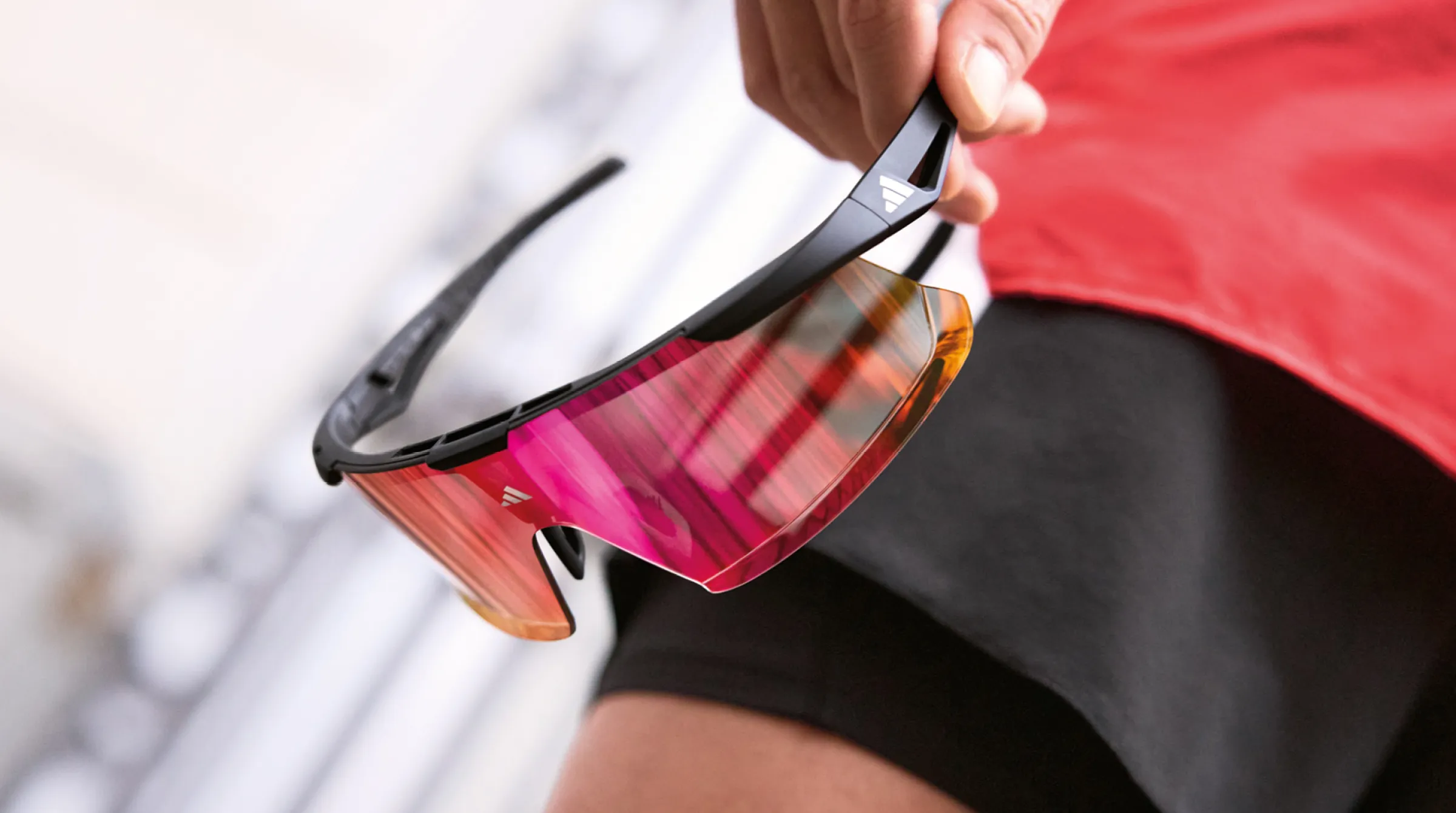
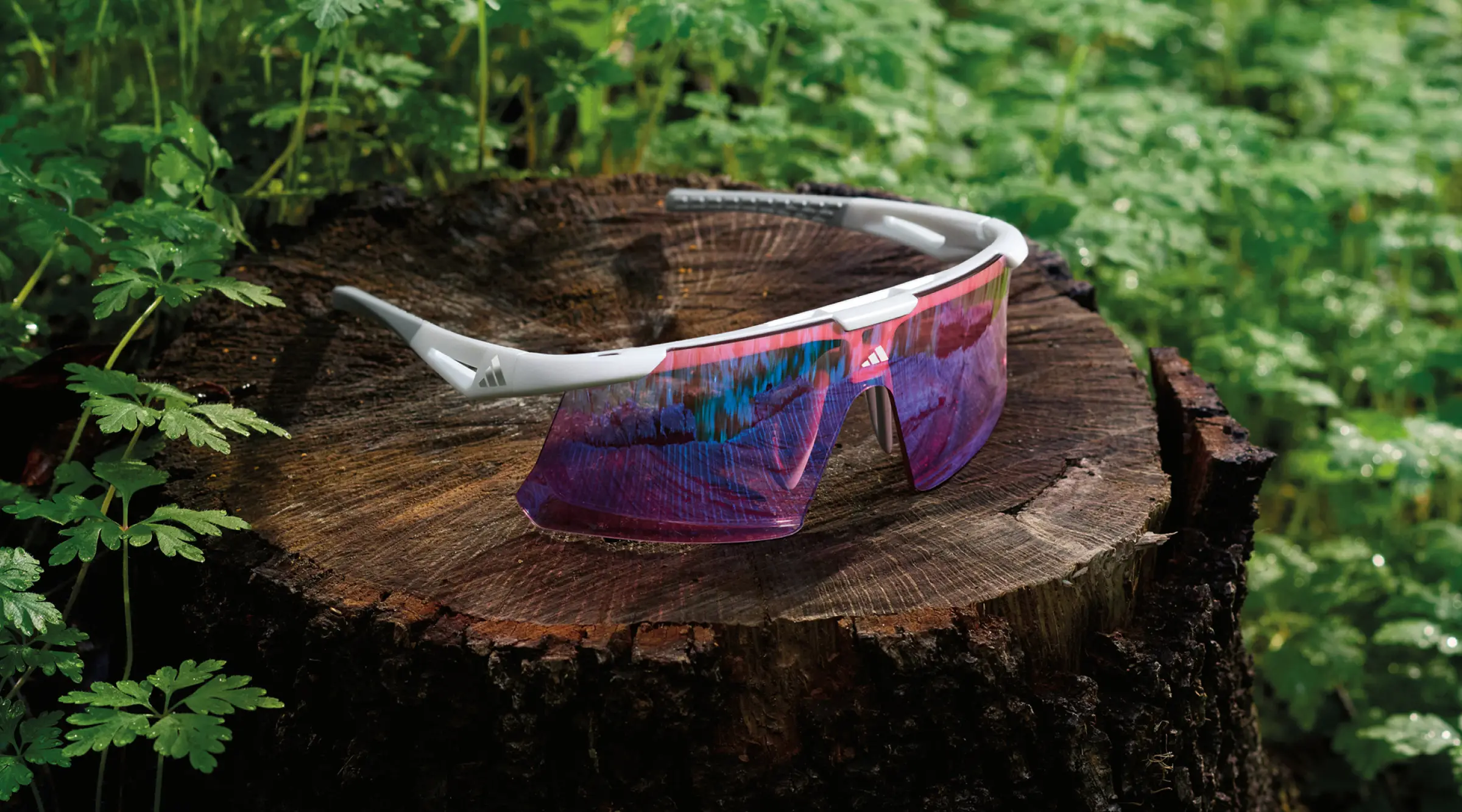
Lightweight, with excellent visibility and stable in any condition: on a bike, during a climb, or a run. The right sunglasses for outdoor sports must meet these requirements, as they are tasked with protecting the eyes for hours from sun, wind, and sweat, without fogging up and while staying securely in place even during intense or sudden movements. These are exactly the qualities of adidas’ Dunamis EVO, the evolved version of the Dunamis model, more agile and flexible, which has already become a classic in sports eyewear.
Grip and Stability

Inspired by the Greek word for power and inner strength, the name Dunamis already speaks volumes about glasses designed for movement. Not surprisingly, the EVO model retains the exclusive thermoformed lens designed by Marcolin, with its iconic wraparound structure, wide and aerodynamic shape that protects the eyes while allowing the skin to breathe. It also features rubberized temple tips, non-slip inserts on the arms, and, most importantly, an internal bar, all of which contribute to perfect stability even during high-intensity workouts.

Technology and Safety

That’s not all. An innovative ventilation system (with openings on the arms, nose pads, and the upper part of the frame) reduces perspiration and prevents fogging, ensuring clear vision throughout the training session. In rainy conditions, special hydrophobic and oleophobic treatments on the lenses cause water and oily dirt to slide off without leaving a trace. This ensures maximum visibility, one of the key elements for an athlete’s safety, so you can stay focused on your sport without worrying about your sunglasses.
Mercedes-Benz | ic! berlin 2025: Retrofuturistic Elegance Takes Shape

A Shared Philosophy: Form, Function, and Timeless Materials

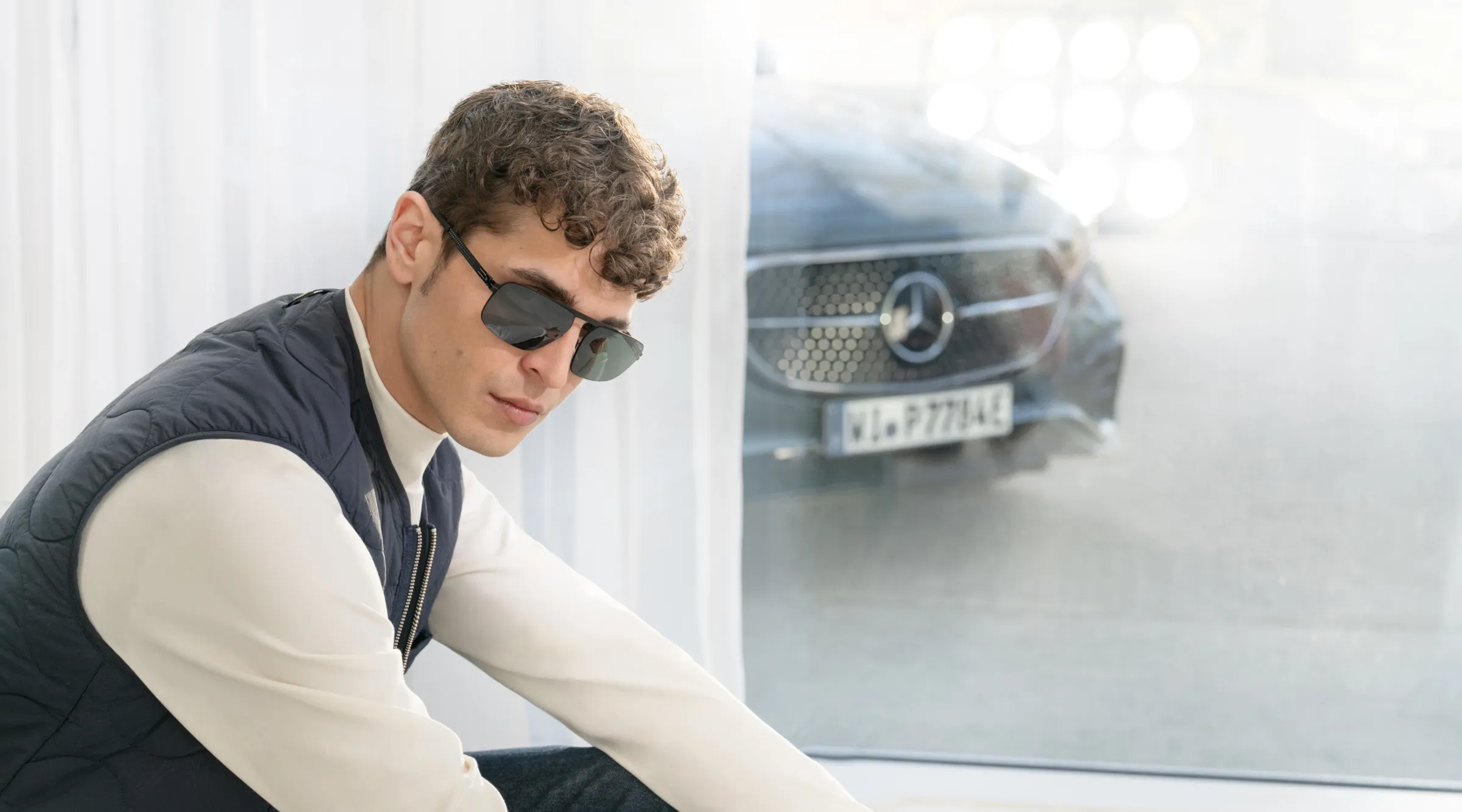
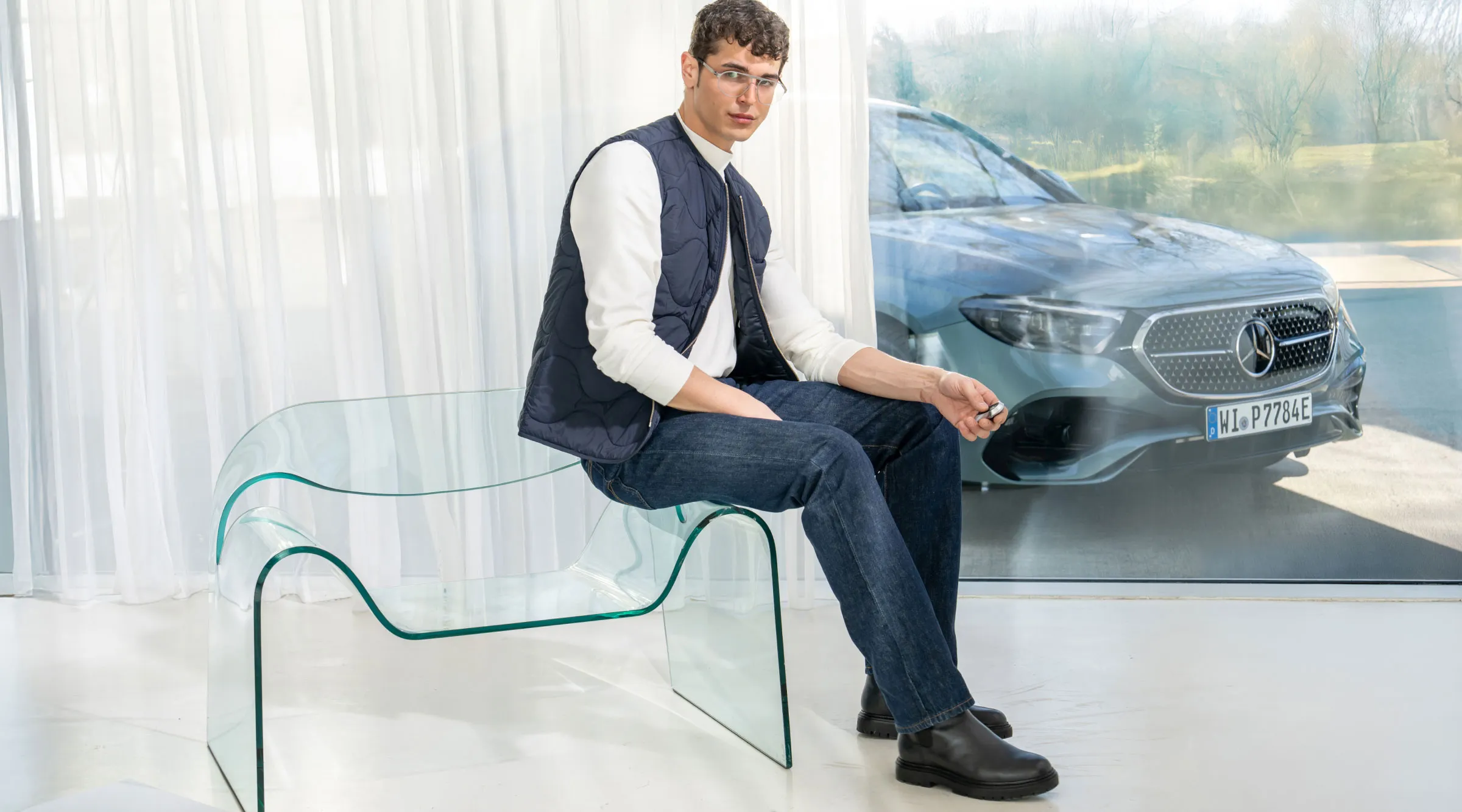
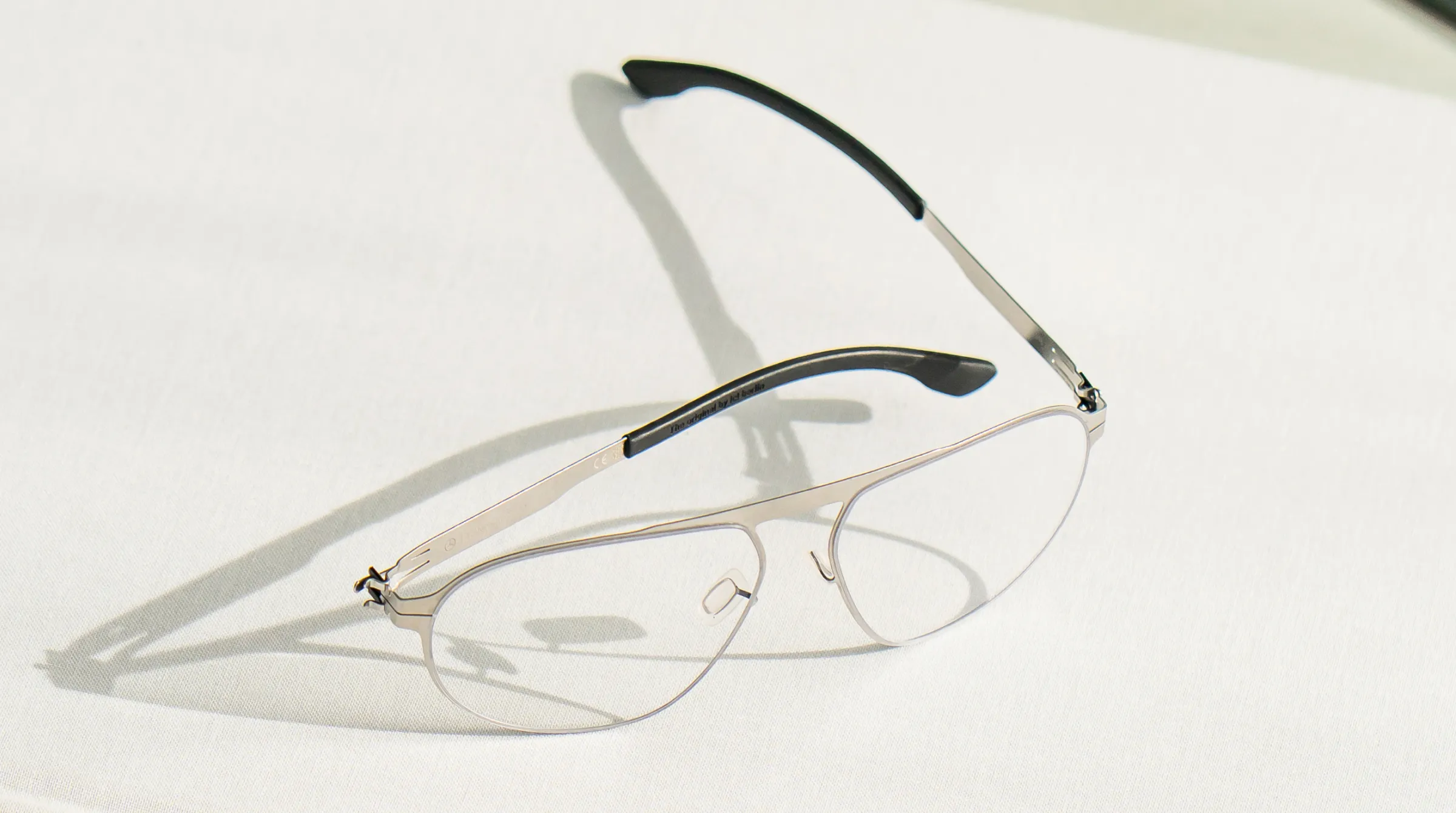
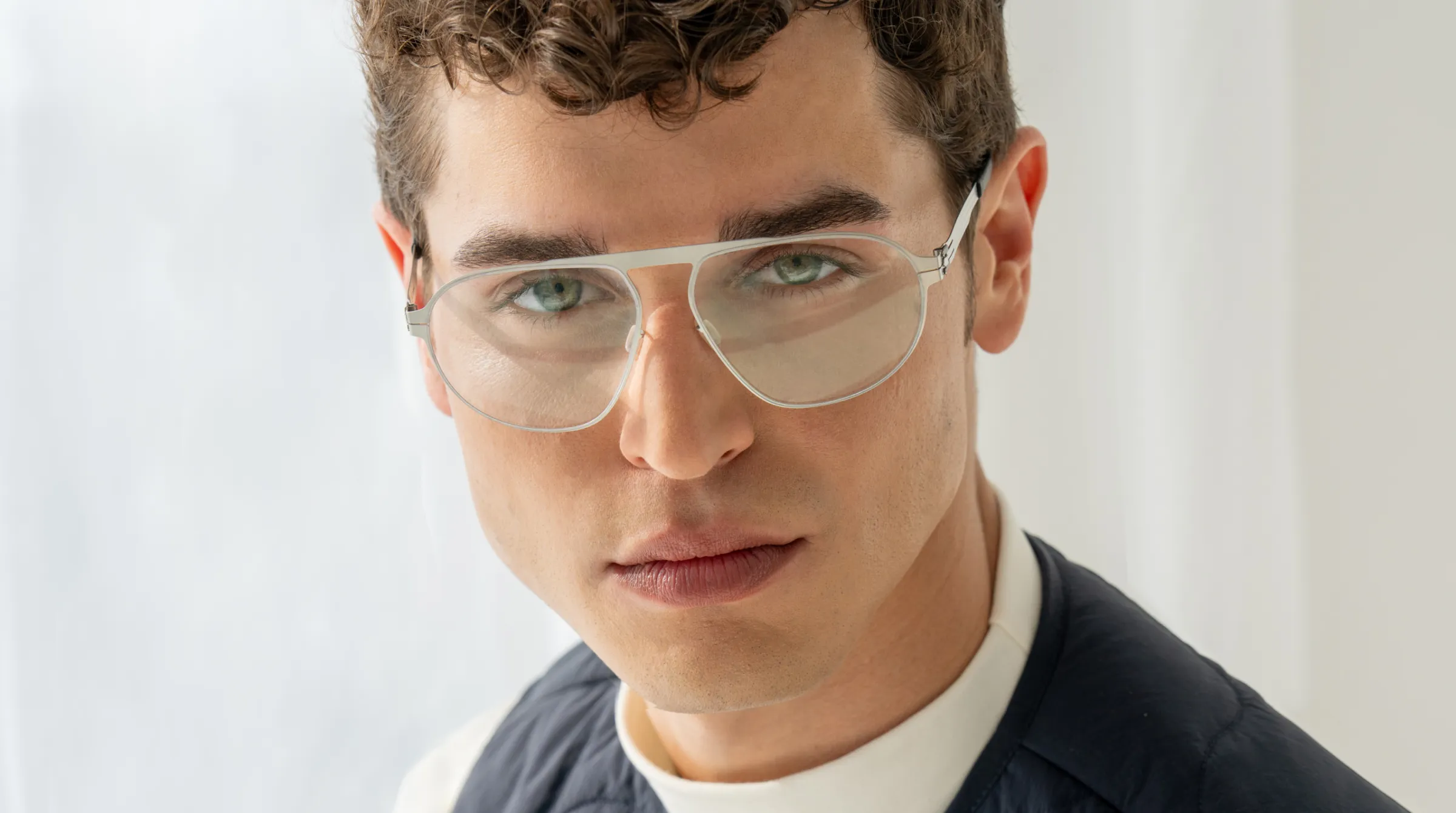
For the fifth consecutive year, Mercedes-Benz and ic! berlin collaborate on a collection that celebrates the purity of materials and formal reduction. Mercedes-Benz’s «Sensual Purity» philosophy is reflected in every detail: a synthesis of emotion and intelligence, warmth and rigor. The choice of authentic materials, such as cold-rolled stainless steel and cotton-based acetate, represents a commitment to durable, elegant, and inherently functional design.

Retro Design, Contemporary Spirit

Inspired by iconic designs of the past, the Berlin design team reinterpreted classic shapes like the navigator, pushing towards greater essentiality. The result is four unique models: MB21, MB22, MB24, and the hybrid model, each with a sober but striking presence. The forms become lighter, details reduced to the essentials, striking a perfect balance between memory and modernity. The goal is not only aesthetics but also the enhancement of the material itself through light, shadow, and structure.

Technology Serving Minimalism

Beyond design, functionality evolves as well: photochromic lenses featured in the MB22 and MB24 models automatically adjust to light, transitioning from clear to dark in less than two minutes. This choice is ideal for those who prefer an essential lifestyle, with few but high-quality items.

Marco D’Acunzo

1

In a time of turbulence in global markets, what strategies can support and enhance Made in Italy, particularly in the eyewear sector?

«Managing the constant changes in today’s market requires, first and foremost, a strong and well-organized strategy. At the same time, the most challenging times are also those when new opportunities can be found, which may yield advantages in the medium and long term. A company like Marcolin benefits from a portfolio of prestigious brands and the ability to offer top-level services that align with the values of each brand. Even in turbulent times, a shared vision is key to managing challenges and responding to the demands of customers, who are always looking for something unique».

2

Christian Louboutin, Abercrombie & Fitch, and Hollister are three new brands recently added to the Marcolin portfolio. How will you position them to the U.S. audience?

«Christian Louboutin, known for turning its red sole into one of the most iconic elements of luxury fashion, chose Marcolin to debut in the eyewear segment with a collection that reflects the brand’s prestige through attention to detail and unique design. Abercrombie and Hollister, on the other hand, target a different audience: Gen Z and Millennials—young consumers with a strong sense of community. This means using a different language, being present in their environments, and engaging with streetwear fashion brands. Lastly, TOM FORD, a luxury brand that has long been associated with Marcolin, remains one of the most beloved names among professionals. These very different brands have allowed us to strengthen our global market presence».

3

How might Marcolin’s relationship with the North American market evolve?

«North America is one of the most interesting markets for eyewear, both in terms of size and economic value. Thanks to the brands in our portfolio, Marcolin can appeal to every segment of this broad consumer base. This, combined with a very high standard of service, makes us extremely competitive and attractive. If the market evolves quickly, then to lead the change and seize every opportunity it presents, Marcolin must move even faster».

Martin Bremer

1

What does design mean today, and how has the designer’s role evolved?

«Today, design has become incredibly important because it’s one of the most immediate ways people connect with a product. Products are no longer just about technical innovation — design plays a decisive role in why someone chooses to buy something. Over the past few decades, design has evolved from being a sub-department to a strategic division that reports directly to the executive board. This shift highlights how central design is to major brands’ overall strategy. The designer’s role has expanded beyond simply creating forms to developing distinctive aesthetics and a cultural language that gives products a unique identity»


2

What are the biggest challenges for designers today?

People long for authenticity more than ever – it seems to be the idea of something genuine that resonates more broadly. Brands need to look into what is authentic for them and interpret it in the current context.

Another major challenge is avoiding the “sameness” that may result from overreliance on AI. Real innovation stems from original ideas, not just pressing a button and letting software do the work. Additionally, it’s easy to create complexity, but the real challenge lies in simplification and reduction. This is what gives design its lasting value and timelessness.


3

How might brands strengthen their innovation potential and stay desirable during a period of general uncertainty?

Cultural exchange is key in order to stay ahead of the curve and to create outstanding designs. The ability to truly learn from the people who make the products—visiting workshops, observing production processes, and listening to those who work with the materials every day. Material innovation cannot come from a computer screen alone. Physically working with materials and building things by hand gives rise to shapes and solutions with a different soul. Meaningful and authentic design begins from this hands-on experience, and it is this approach that allows a brand to stand out and thrive even in uncertain market conditions.


Read the full conversation here:

https://www.ic-berlin.com/journal/ic-berlin-im-gesprach-mit-martin-bremer-designer-und-denker-hinter-den-marken-der-mercedes-benz-group/