Marcolin’s New Collections at Silmo Paris 2025

Record-Breaking Numbers

Much more than a trade show, since 1995 Silmo Paris has been the international stage and beating heart of the eyewear industry. With 900 exhibitors from around the world (42 countries represented this year), the event – taking place from September 26 to 29 – will once again attract thousands of visitors and buyers (32,000 attendees in 2024) for an edition aptly named “The Place to See”. It’s the perfect opportunity to explore innovations from 1,500 different brands, discover emerging talents, and attend talks on tomorrow’s trends in a constantly evolving and innovative sector.
Marcolin’s Brands

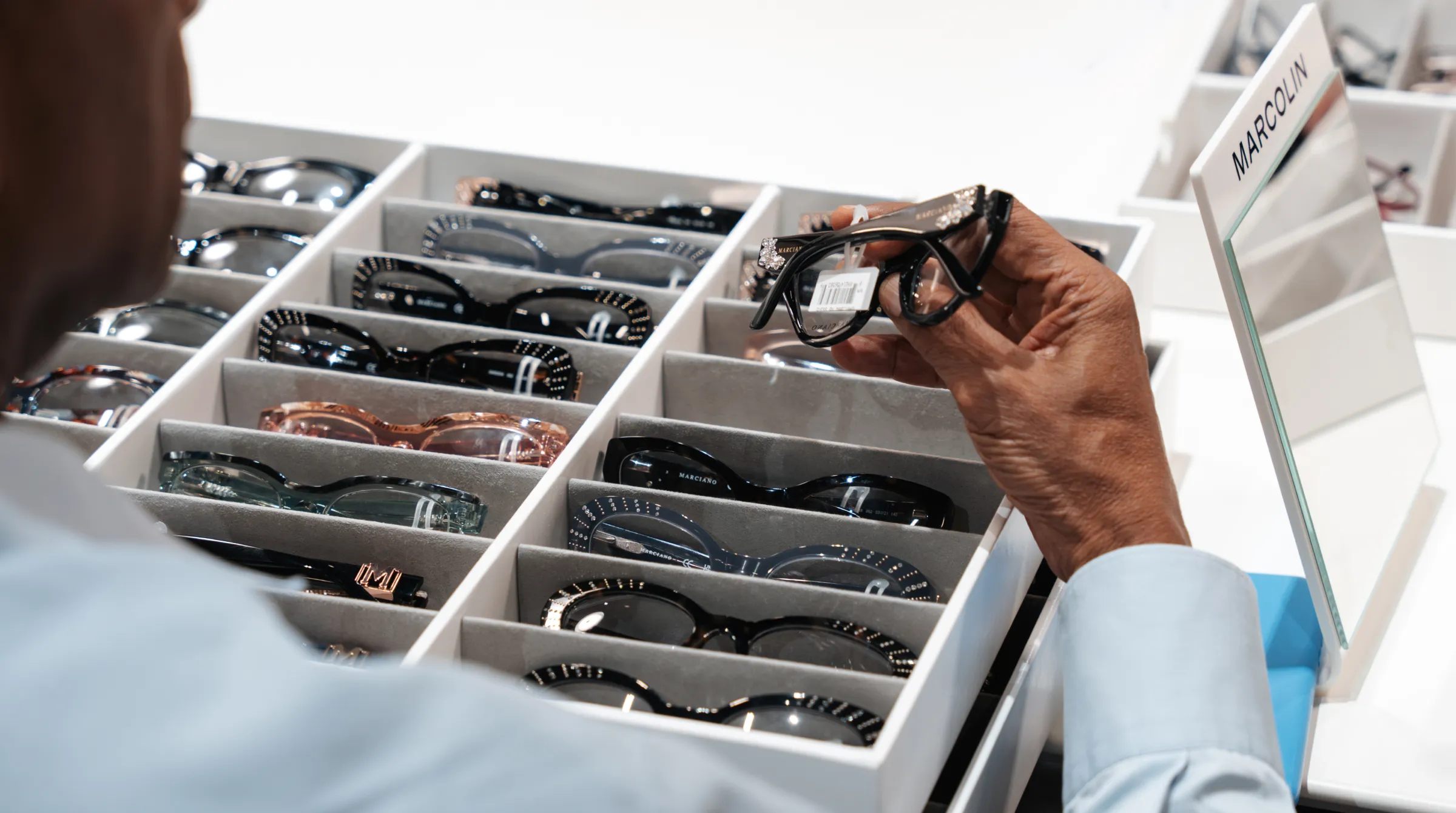
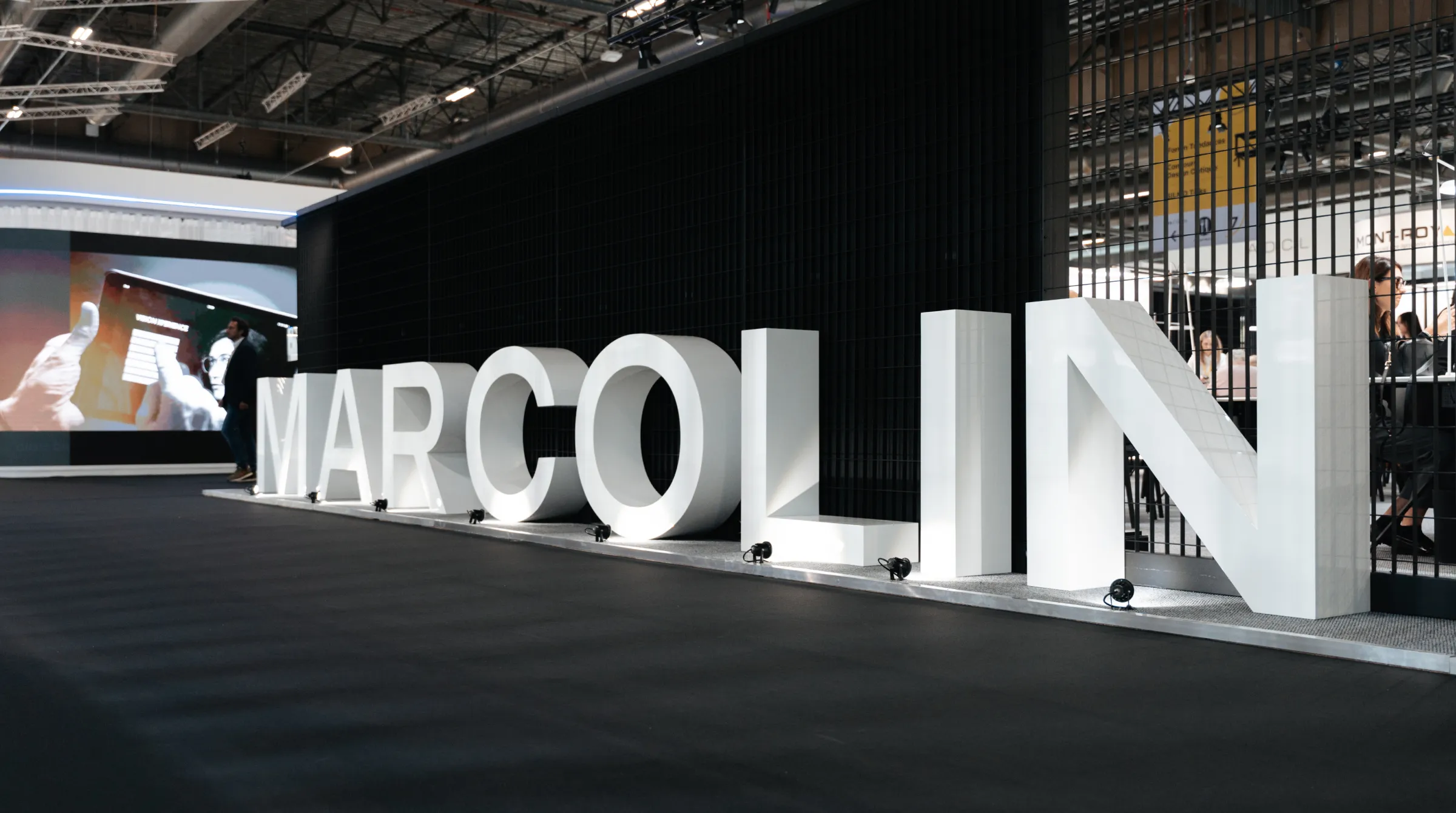
A Paris regular since 1976, and now present with a new showroom on the elegant rue De Richelieu for the past two years, Marcolin will participate in this year’s Silmo Paris to showcase its latest brand collections. Among the most anticipated releases is the exclusive model from TOM FORD’s Fall-Winter 2025/26 runway, designed by creative director Haider Ackermann, featuring a dynamic silhouette and the signature rose gold “T” on the temples. Also drawing attention is the reinterpretation of ZEGNA Eyewear’s iconic Orizzonte I model, which adds a refined top bar to its metal frame, evoking mountain profiles. Plus, the debut collections by Marcolin for Abercrombie & Fitch and Hollister.

The New Collections

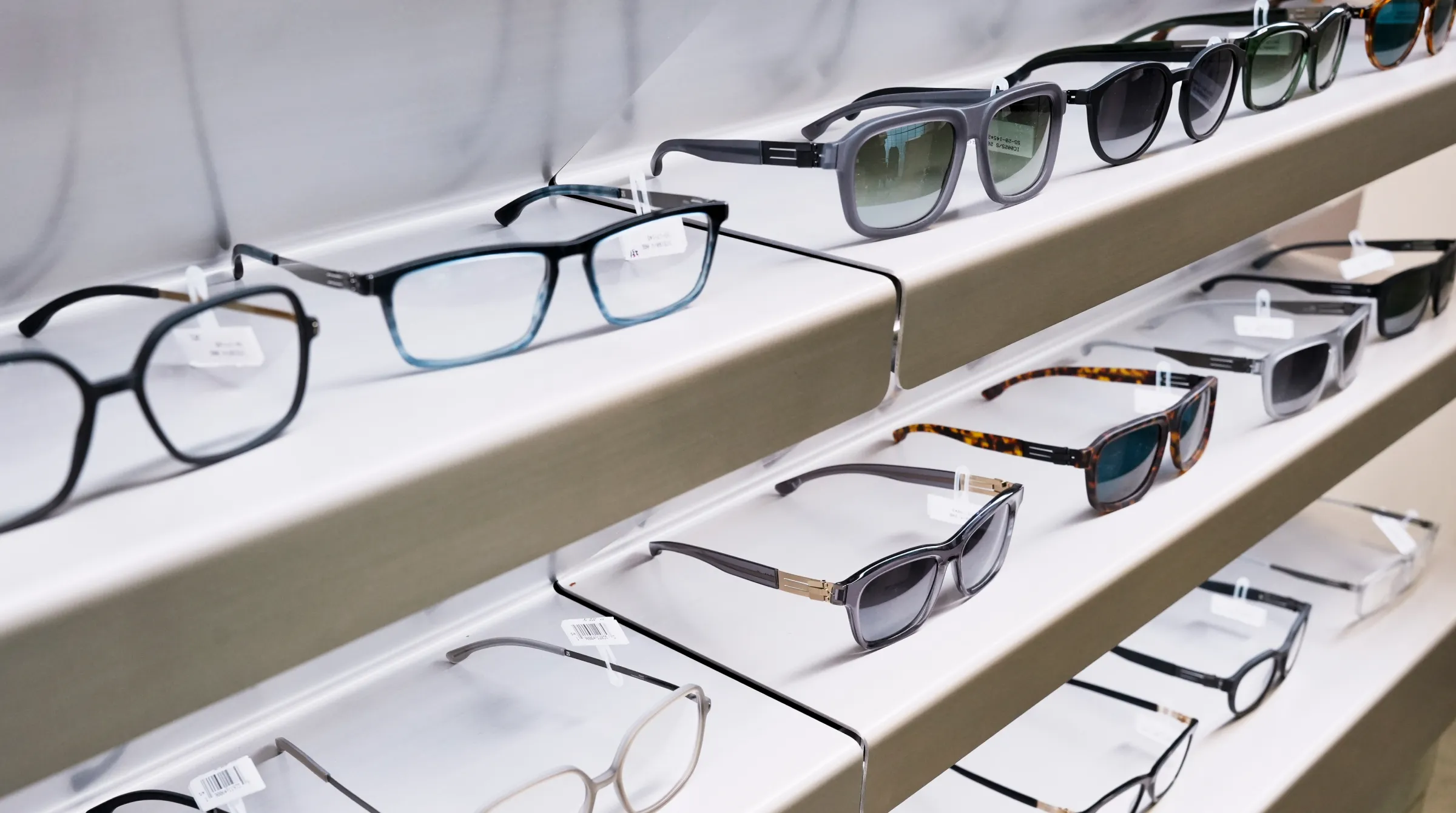
At Marcolin’s booth, visitors will also find the latest eyewear collections from Christian Louboutin, featuring the unmistakable red detail on the sides of the brow bar, and K-WAY, showcasing its futuristic mask-style sunglasses. GUESS embraces the vibrant spirit of the 2000s with its newest frames, while Max Mara opts for sleek rectangular mask-style sunglasses with metal fronts. Not to be missed are the latest from adidas, including the new Anemos Light model with a wraparound frame and large lenses for optimal protection, and ic! berlin, which will unveil Horizontal Color Split, a collection with a lightweight design and refined color gradients. So many new releases make this year’s event truly unmissable.

Jiang Honglin

An Ancient Tradition

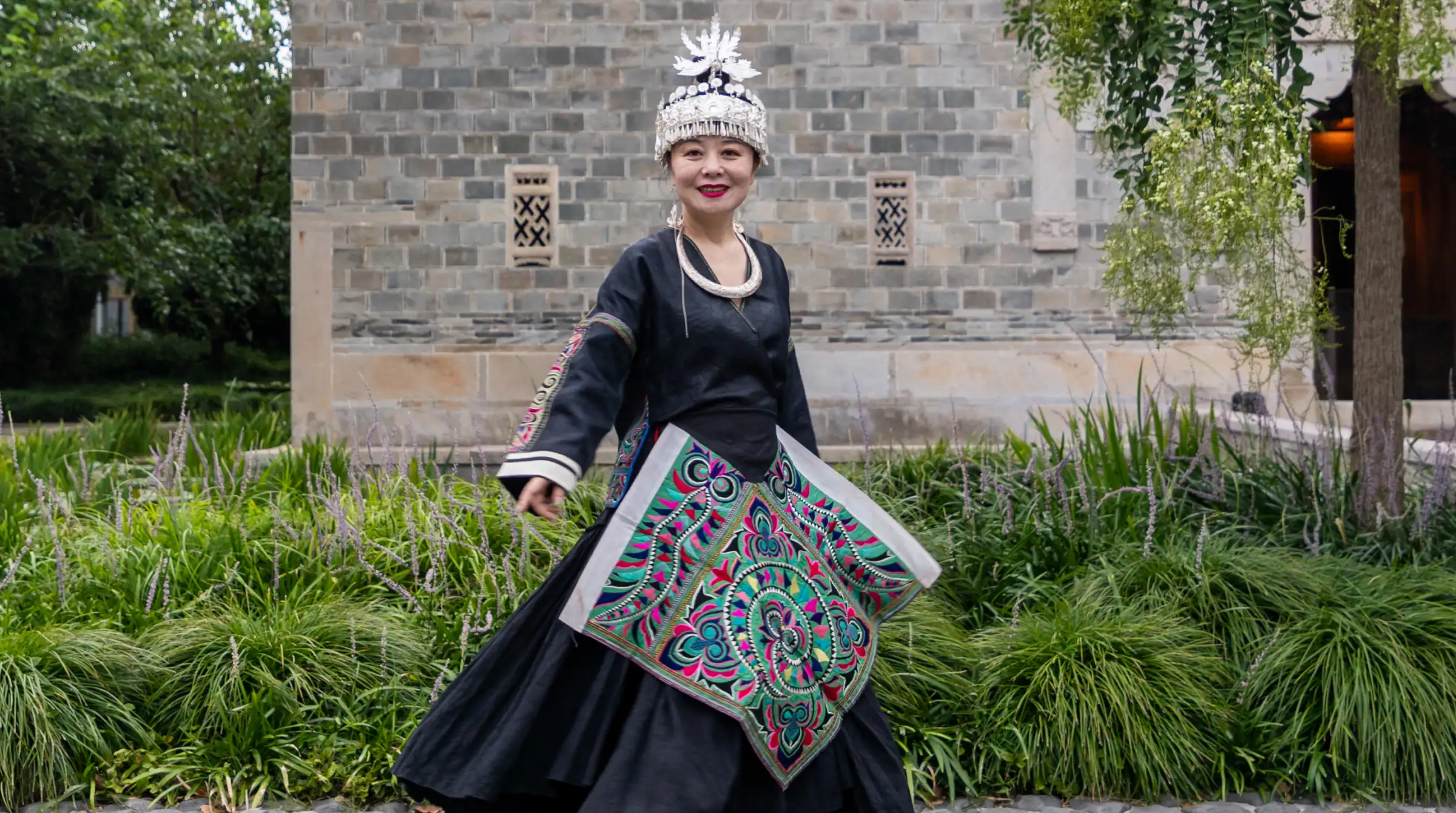
Born in Guizhou, Jiang Honglin is the world’s most renowned artist in the ancient art of paper cutting, recognized as intangible cultural heritage in China and a cornerstone of Miao artistic identity. Although the technique is practiced throughout China, the Miao variations stand out for their symbolic richness and deep connection with ethnic traditions.

Jiang Honglin’s work draws inspiration from a vast collection of traditional motifs, merging them with a modern aesthetic in her tireless pursuit of manual perfection. Thus, transcending the boundaries of time and geography, Jiang Honglin’s creativity meets Marcolin’s craftsmanship—both born of the same devotion to detail and artisanal precision.

The Gestures

Watching Jiang Honglin’s small scissors move gracefully and swiftly across the paper is like witnessing a dance performance: the artist works quickly and precisely, freehand, following patterns that have belonged to Miao tradition for millennia. Her paper cutting comes to life, transforming into richly decorated silhouettes of twin dragons, divine birds with splendid plumage, or delicate “butterfly mothers.”

In her unique ability, as critics say, to “give soul to paper,” one finds the same principles of attention to detail, symmetry, and balance between form and function that also permeate Marcolin’s creations: both celebrate craftsmanship as a form of expression and visual storytelling.

The Value Of Objects

Thanks to figures like Jiang Honglin, the intangible cultural heritage of a country can remains alive and be renewed through a contemporary language. The value of objects lies in their ability to embody abstract cultural concepts, personal traits, and social identities. Just as a paper carving transforms a sheet into a cultural narrative, so too does Marcolin’s artisanal excellence transcend the mere functionality of a pair of glasses, turning them into a distinctive and identity-defining symbol.

Eyewear: A Thousand-Year History

The Collections

From the first corrective lenses, invented in the 1200s, to the Venetian eyewear industry of the 14th century, and on to frames made of bone, horn, wood, and metal, the collections include arch, wig, or hat eyeglasses, as well as the first rigid side arms invented in the early 1700s—these are just a few examples of the rare items on display at the Eyewear Museum of Pieve di Cadore. Thousands of historic objects can be found there: frames, prescription and sun lenses, cases, and true rarities such as eyeglasses made from whale baleen and carved, decorated ivory, as well as miniature spectacles ingeniously built into the tips of fans or into walking stick handles. Together, they create a journey through the history of eyeglasses—from their origins to the present day. 

The Museum’s History

The first idea for the museum dates to 1956, following the success of the exhibition “Eyewear Through the Centuries,” organized in Pieve di Cadore during the Winter Olympics in nearby Cortina d’Ampezzo. But the current museum, now managed by the foundation of the same name, officially came to life in 1990, after the acquisition of several important private collections. Spread across two floors, the museum today offers a chronological exhibit that ends on the upper floor with historical images, documents, and environmental reconstructions illustrating the origins of the local industrial eyewear district. 

The Rarest Pieces

Among the museum’s display cases are Renaissance-era frames made of silver, ivory, and tortoiseshell, along with bifocal lenses from the 1600s and the first sunglasses, created in Venice in the 1700s: Venetian eyeglasses with green lenses were a true symbol of elegance and protection for the aristocracy. On the upper floor, visitors discover that the Italian eyewear industry was born in Calalzo di Cadore, where the first lightweight frames and pince-nez were produced. Meanwhile, in the 1920s in Turin, the first smoked lenses for sun protection were being tested. 

We then reach the 1930s: eyeglasses start making their mark in cinema, and from that moment, a true boom begins—one that has never stopped, transforming eyewear into the lifestyle and personal identity symbol that it is today. 

Lorenzo Barberio and Leo Kistermann

1

How would you briefly define the ic! berlin brand?

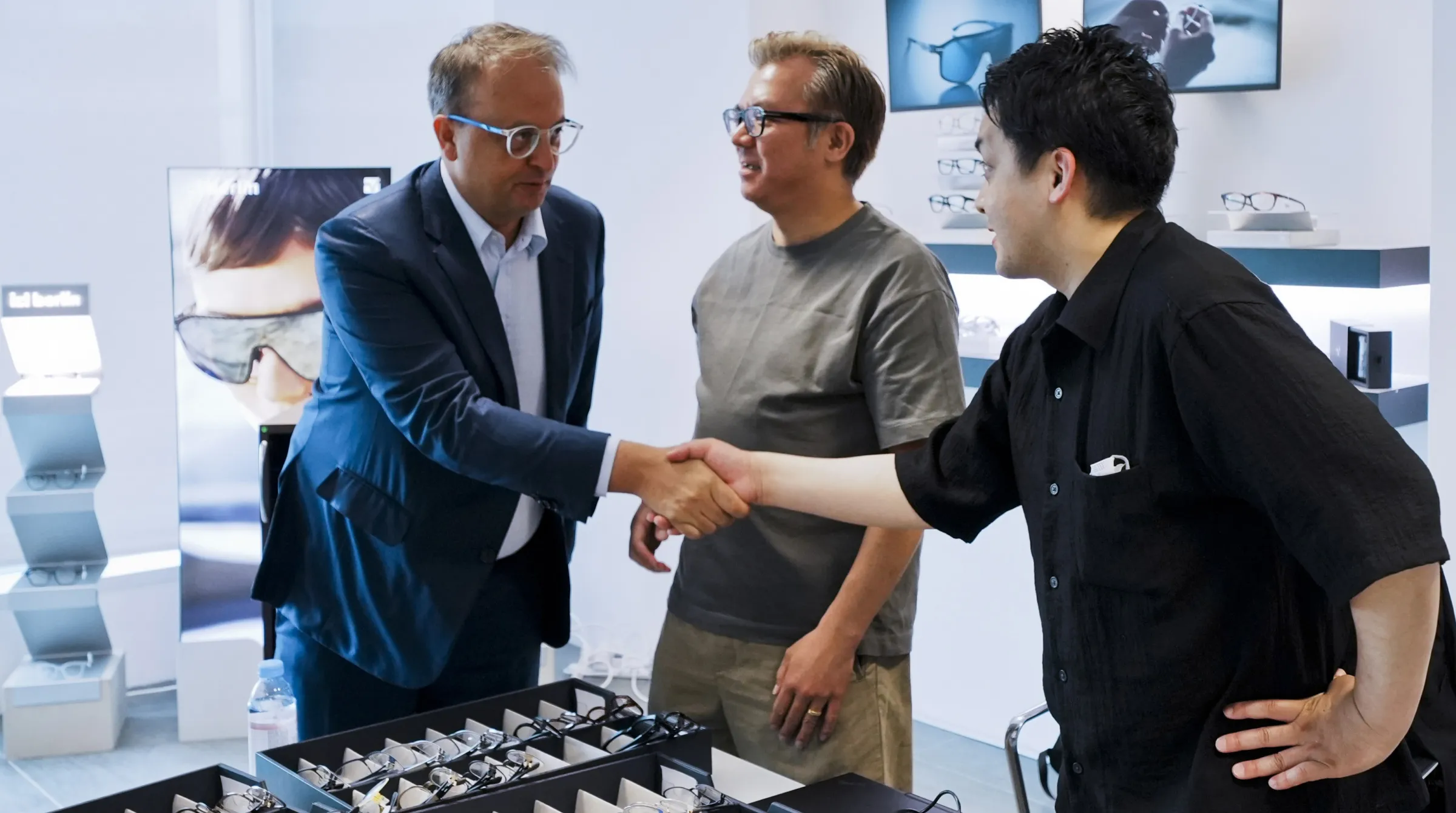
Lorenzo: “A luxury brand with a minimalist aesthetic and unconventional craftsmanship: ic! berlin stands for ultra-lightweight, flexible frames that defy the rules. For Marcolin, acquiring it meant building new commercial relationships with optical retailers who focus on high-end design brands rather than fashion labels.”

Leo: “A leading brand in frame technologies using stainless steel, acetate, and titanium, and known for technical innovation—as shown by the recent development of Flexarbon, a hybrid of carbon fiber and advanced polymers that redefines frame flexibility and durability. It’s also a brand with strong focus on design, especially automotive-inspired design, thanks to partnerships with Mercedes-Benz.”

2

What is Marcolin’s current strategy for promoting the brand?

Lorenzo: “Following the acquisition, we dedicated much of 2024 to promoting our portfolio across all markets, creating distinct strategies to enhance our premium brands like TOM FORD, Zegna, Christian Louboutin, and ic! berlin, and our lifestyle brands, which include MCM, Max Mara, MAX&Co., Guess, Skechers, Timberland, BMW, and Harley-Davidson. Not to mention the sports segment, which, with adidas, offers great opportunities—especially in the Asia-Pacific region.”

Leo: “This is the time to return to ic! berlin’s roots in order to build its future as a global brand. A perfect example is this year’s ic! berlin collection: 15 frames that seamlessly blend technical elegance and innovation, featuring elements like the gradient ‘Pineapple Gradient’ lenses, the reintroduction of the iconic Robin frame with its clean and lightweight design, and a bold use of color, such as the ‘Havana Haze’ lenses.”

3

Are there other projects planned for the Asia-Pacific region?

Lorenzo: “ic! berlin is a key asset for Marcolin’s growth in the Asia-Pacific region, particularly in markets like China, South Korea, and Japan. In the first half of 2025, we recorded double-digit growth in the APAC area compared to last year. In some of these markets—such as Thailand and Taiwan —ic! berlin is already the market leader among luxury eyewear brands, and now we’re targeting Mainland China. Starting this year, we have direct market access there thanks to our subsidiary, and we expect Mainland China to eventually become the largest market in the world for ic! berlin.”

Leo: “We’ll continue to work with respect for local cultures and with the goal of offering something unique and aligned with our values and quality standards. To achieve this, we’re proud to collaborate with our local business partners and a selection of key clients to create custom capsule collections tailored to specific needs, tastes, and trends. For us, the Asian countries represent a major growth opportunity.”