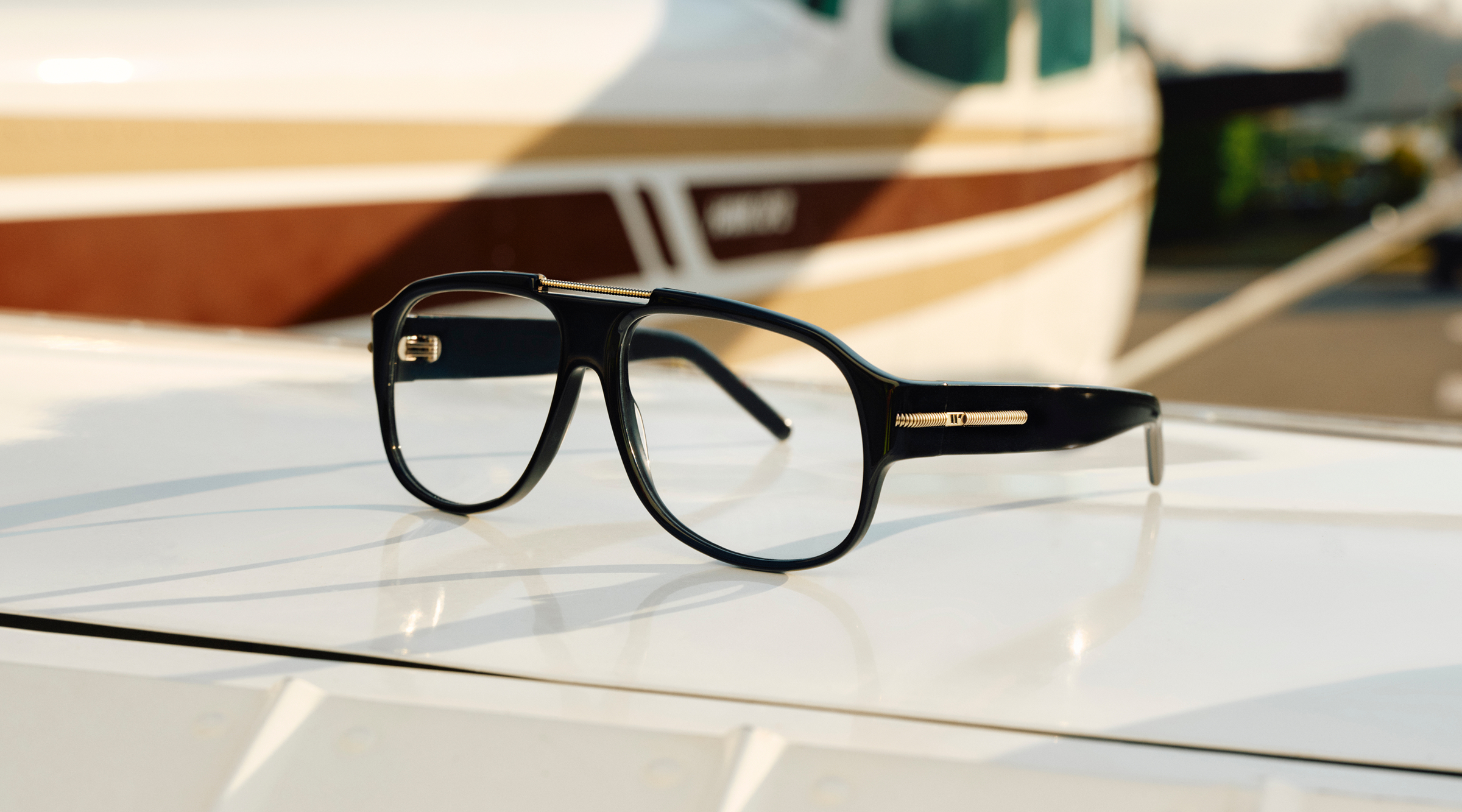
Photo: Press Office
Tell me a story
Back to storiesabout
How Eyewear Changed The World
Putting on and taking off a pair of glasses: for millions of people, it is the first and last gesture of the day. This is true even for those who do not need vision correction, as eyewear has become the most important accessory in any outfit. This is the story told in the book of the moment, written by American scholar David King Dunaway, A Four-Eyed World: How Glasses Changed the Way We See, published by Bloomsbury.
From Stigma to Style Statement
By weaving together history, anecdotes, and stereotypes across the 750 years since their invention, David King Dunaway reminds us that, until the early twentieth century, wearing prescription glasses was often a source of social embarrassment, especially for women and children. It was only in the 1920s that things gradually began to change and eyewear became a mark of distinction. The appeal of figures such as Le Corbusier, Truman Capote, Gio Ponti, Max Ernst, and Paul Klee is inseparable from the shapes and colours of their frames, defined by an elegance that remains intact in eyewear inspired by the aesthetics of the 1930s.
The Role of Hollywood…
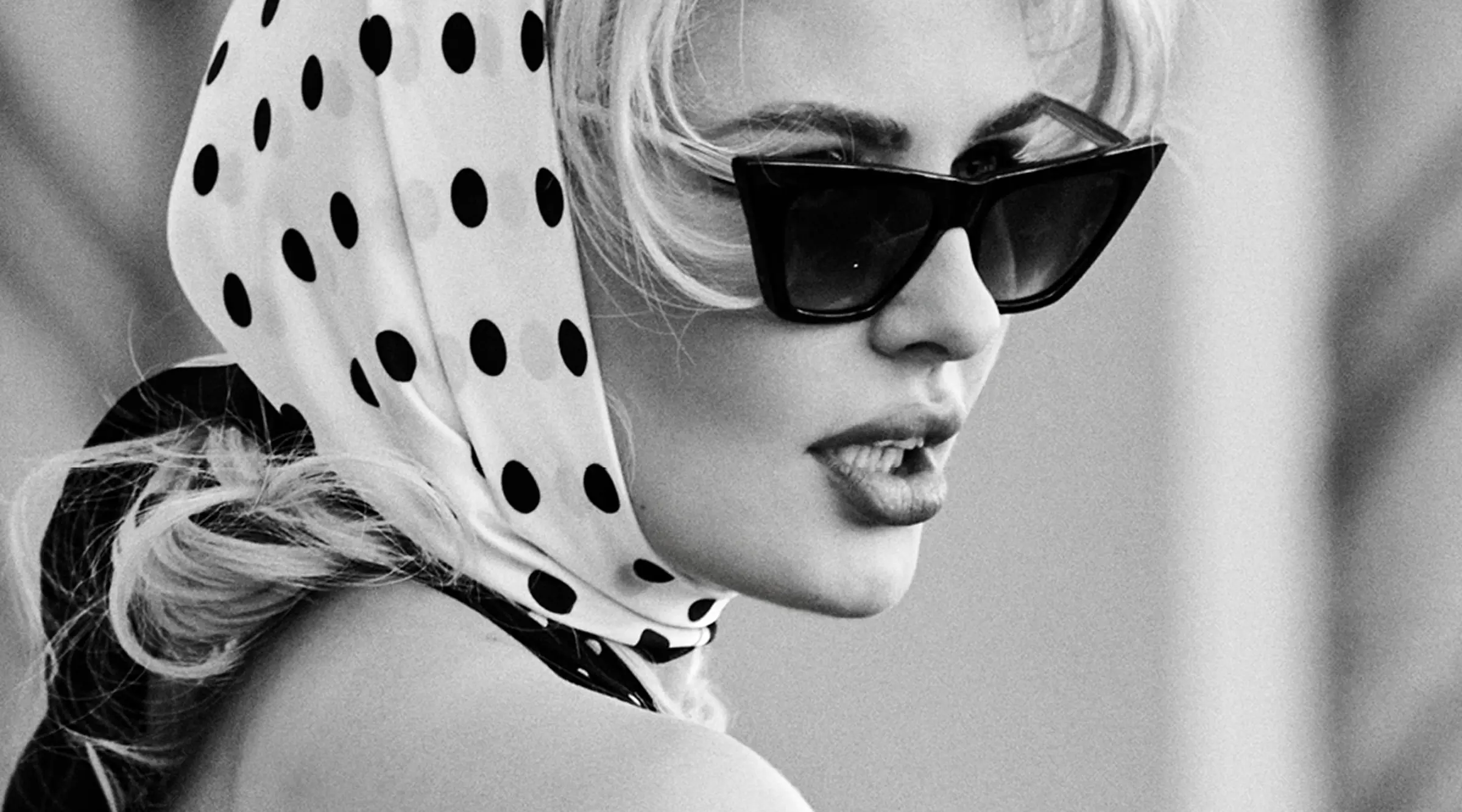
Cinema would do the rest, the author explains, turning styles such as the cat-eye frames worn by Marilyn Monroe and Lauren Bacall, Audrey Hepburn’s oversized wraparound silhouettes, and the aviator models featured in countless action films into true objects of desire. Eyewear became a way to express personality through shapes and designs that today continue to inspire reinterpretations by brands within the Marcolin portfolio.
…and the Influence of Music
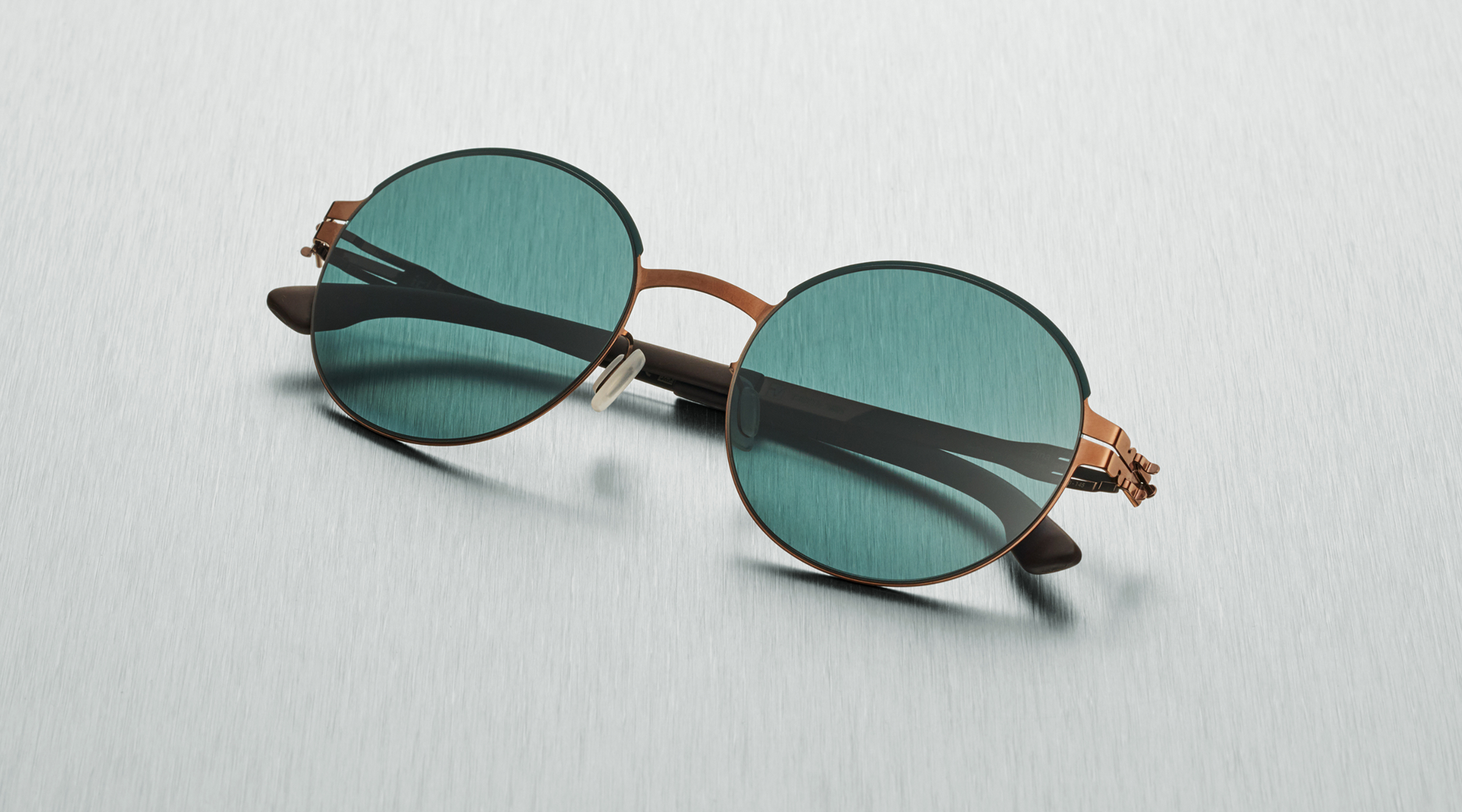
From Swinging London, portrayed across the pages of leading fashion magazines through images of John Lennon’s round metal frames and the bold white eyewear worn by bands such as The Who, the journey continues through the experimentation of rock and punk groups. Later came global icons including Michael Jackson, Madonna, Bono, Kurt Cobain, and the Gallagher brothers. It marked the beginning of a new chapter, with eyewear emerging as a defining element of contemporary aesthetics, continuously reinterpreted and refreshed by brands. They are among the protagonists of a journey that, as David King Dunaway concludes, has never stopped evolving and is already looking toward a new era.