In conversation with MARTIN BREMER

Boundless visions
Back to storiesof
Martin Bremer
Meet Martin Bremer, the designer, thinker, and aesthete who has spent more than twenty-five years shaping the brand experiences of Mercedes-Benz Group brands including Maybach, smart, and Mercedes-AMG. An intriguing discussion between a German design titan and the ic! berlin design team.
What does design mean today, and how has the designer’s role evolved?
«Today, design has become incredibly important because it’s one of the most immediate ways people connect with a product. Products are no longer just about technical innovation — design plays a decisive role in why someone chooses to buy something. Over the past few decades, design has evolved from being a sub-department to a strategic division that reports directly to the executive board. This shift highlights how central design is to major brands’ overall strategy. The designer’s role has expanded beyond simply creating forms to developing distinctive aesthetics and a cultural language that gives products a unique identity»
What are the biggest challenges for designers today?
People long for authenticity more than ever – it seems to be the idea of something genuine that resonates more broadly. Brands need to look into what is authentic for them and interpret it in the current context.
Another major challenge is avoiding the “sameness” that may result from overreliance on AI. Real innovation stems from original ideas, not just pressing a button and letting software do the work. Additionally, it’s easy to create complexity, but the real challenge lies in simplification and reduction. This is what gives design its lasting value and timelessness.
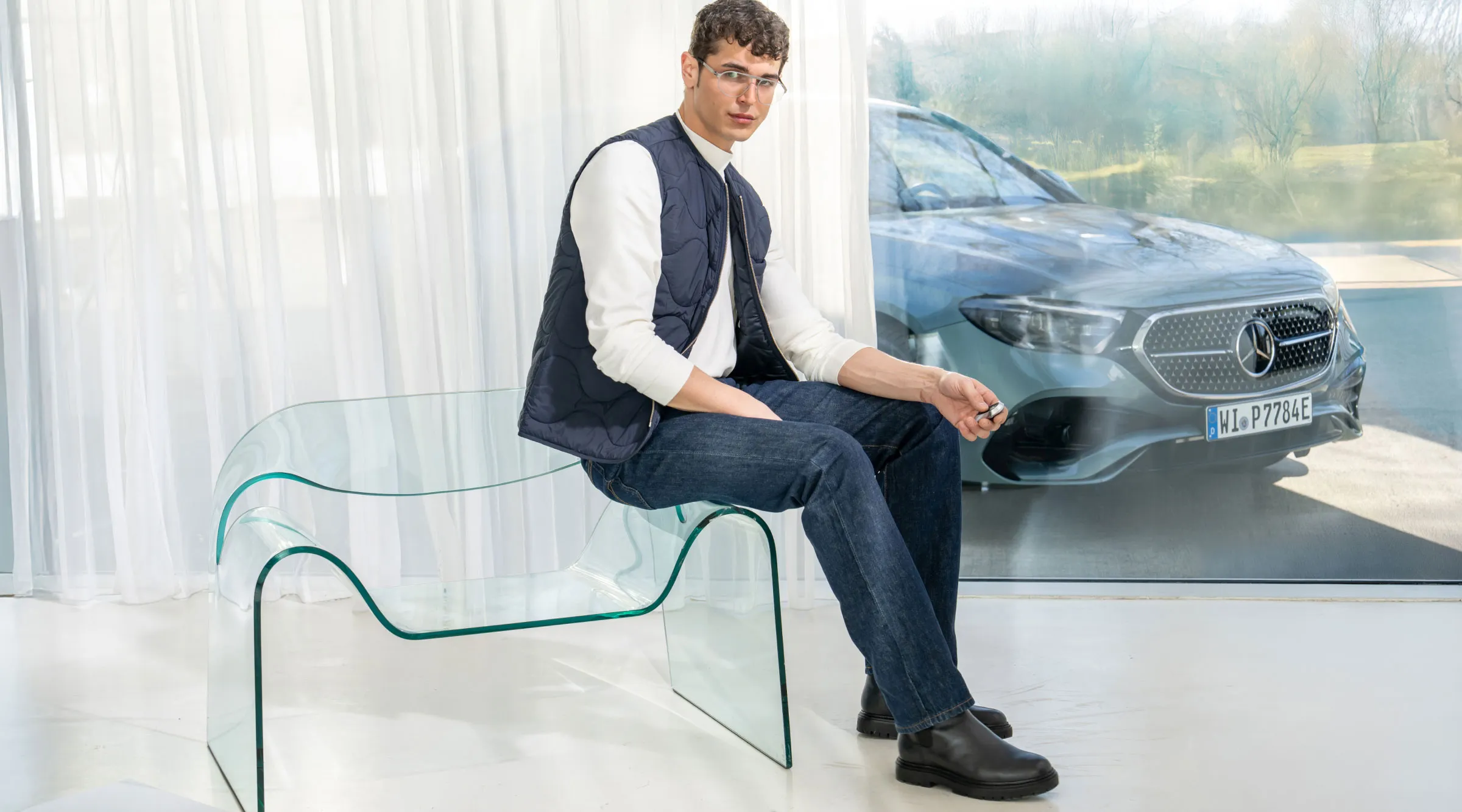
How might brands strengthen their innovation potential and stay desirable during a period of general uncertainty?
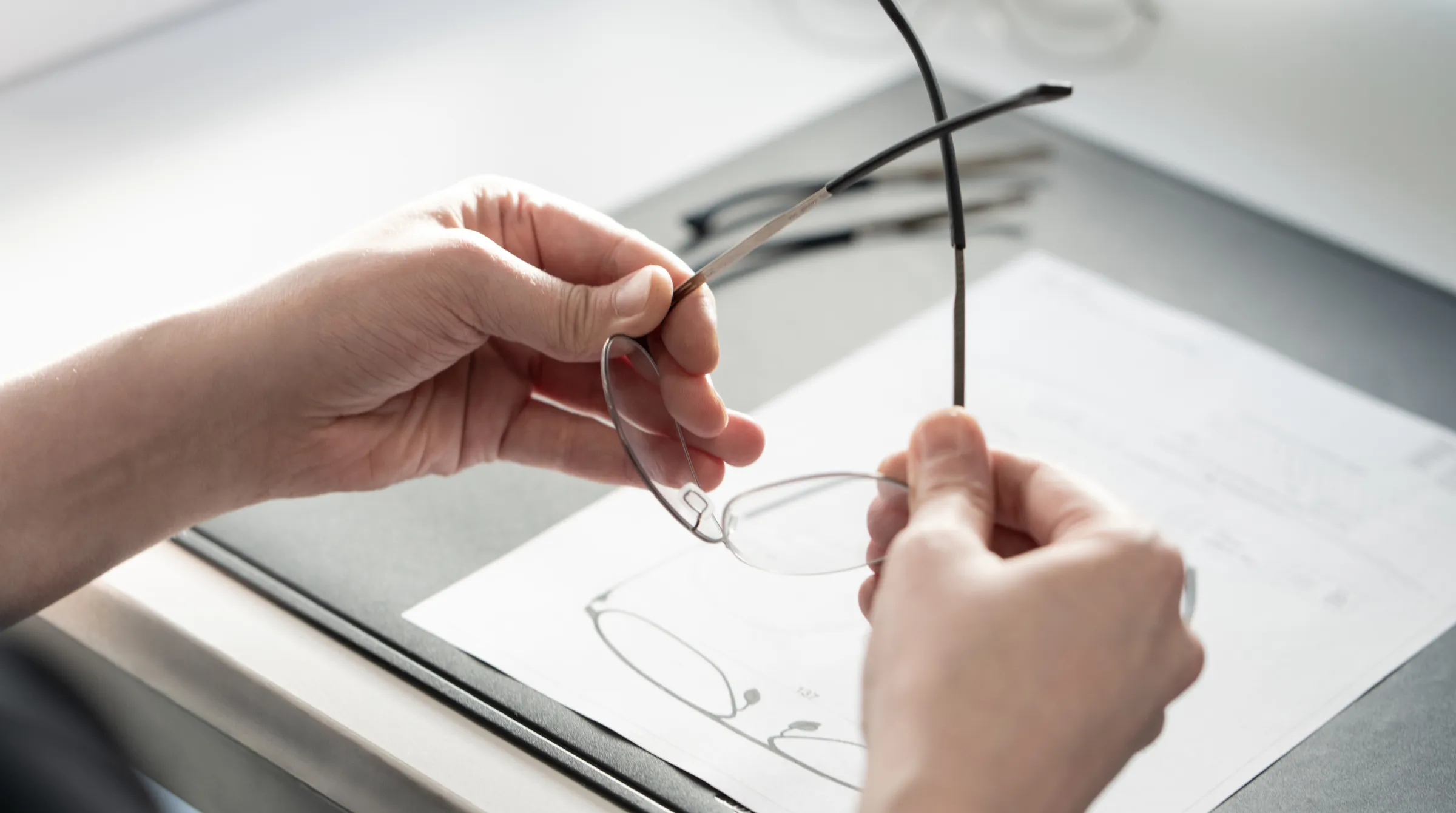
Cultural exchange is key in order to stay ahead of the curve and to create outstanding designs. The ability to truly learn from the people who make the products—visiting workshops, observing production processes, and listening to those who work with the materials every day. Material innovation cannot come from a computer screen alone. Physically working with materials and building things by hand gives rise to shapes and solutions with a different soul. Meaningful and authentic design begins from this hands-on experience, and it is this approach that allows a brand to stand out and thrive even in uncertain market conditions.
Read the full conversation here: