What are the key elements that make the rag & bone Eyewear collection most aligned with the brand’s style and values?
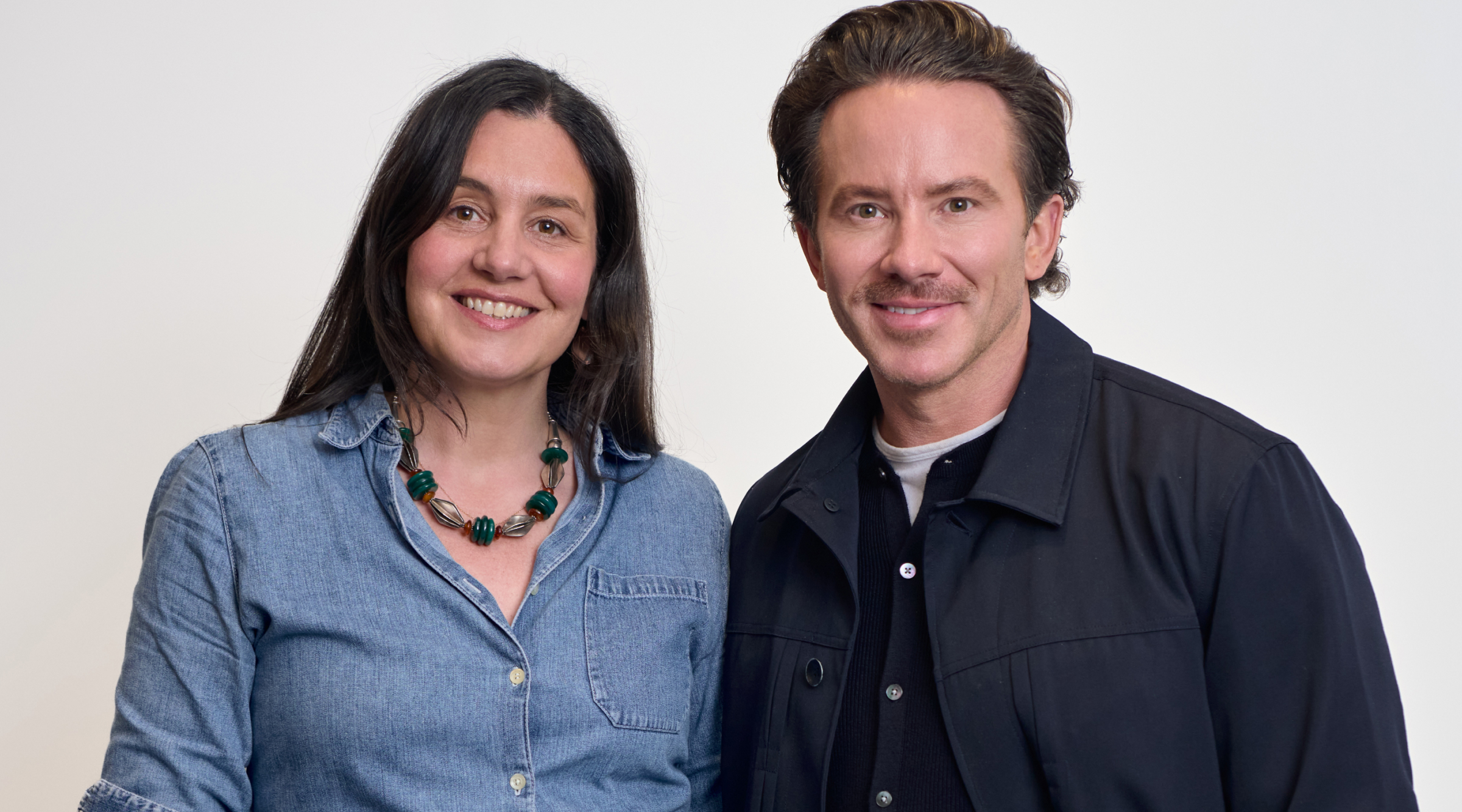
Jennie McCormick: «The design principles behind our eyewear started with the same foundation as everything we do at rag & bone — quality materials, signature hardware details, and a commitment to getting the small things right. We focused on classic yet innovative shapes and material combinations that feel unmistakably us, while also allowing room to evolve.The color and material stories, the signature hardware, and the branding details all work together in a way that feels considered rather than decorative. Nothing is arbitrary. The balance between design quality, functionality, and restraint is the space rag & bone embodies — and the eyewear is no different. What makes a pair feel unmistakably rag & bone is something you notice immediately. There’s a weightiness to the frames — the quality is apparent the moment you pick up a pair, much like touching one of our fabrics. The closer you look, the more intentional the design feels: logo placement, hinge functionality, finishing details — all of it is considered, and all of it feels. That quiet attention to detail is at the core of who we are».
What themes inspired the design of this collection?
Kyle M. Sweeney: «The Spring ’26 collection was our first large drop, so we approached it with a sense of restraint – starting from familiar, archetypal shapes and refining them through proportion, tone, and materiality to feel modern and relevant. We’re not interested in reinventing icons – we’re interested in refining them. A key part of the design language comes from our three clusters, inspired by workwear – an enduring pillar of the brand. Across our ready-to-wear, you see details like contrast bartack and railroad stitching in knitwear, and triple-needle construction throughout some of our denim and wovens. That thinking translated directly into the eyewear. The “triple stitch” cluster reflects that heritage, expressing our focus on quality, innovation, and authenticity through subtle detailing and construction. From there, the collection opens into something more expressive, where color and transparency introduce a quiet sense of individuality, and into a more technical space where hardware and construction become part of the visual language. The palette is intentional – olive, fudge, tort – colors that feel lived-in rather than decorative. It’s designed for a global, urban customer who moves fluidly between environments and dresses with instinct rather than effort. There’s a quiet confidence – nothing feels forced, but everything is considered».
How do you balance innovation with respect for the history of such a strongly characterized brand?
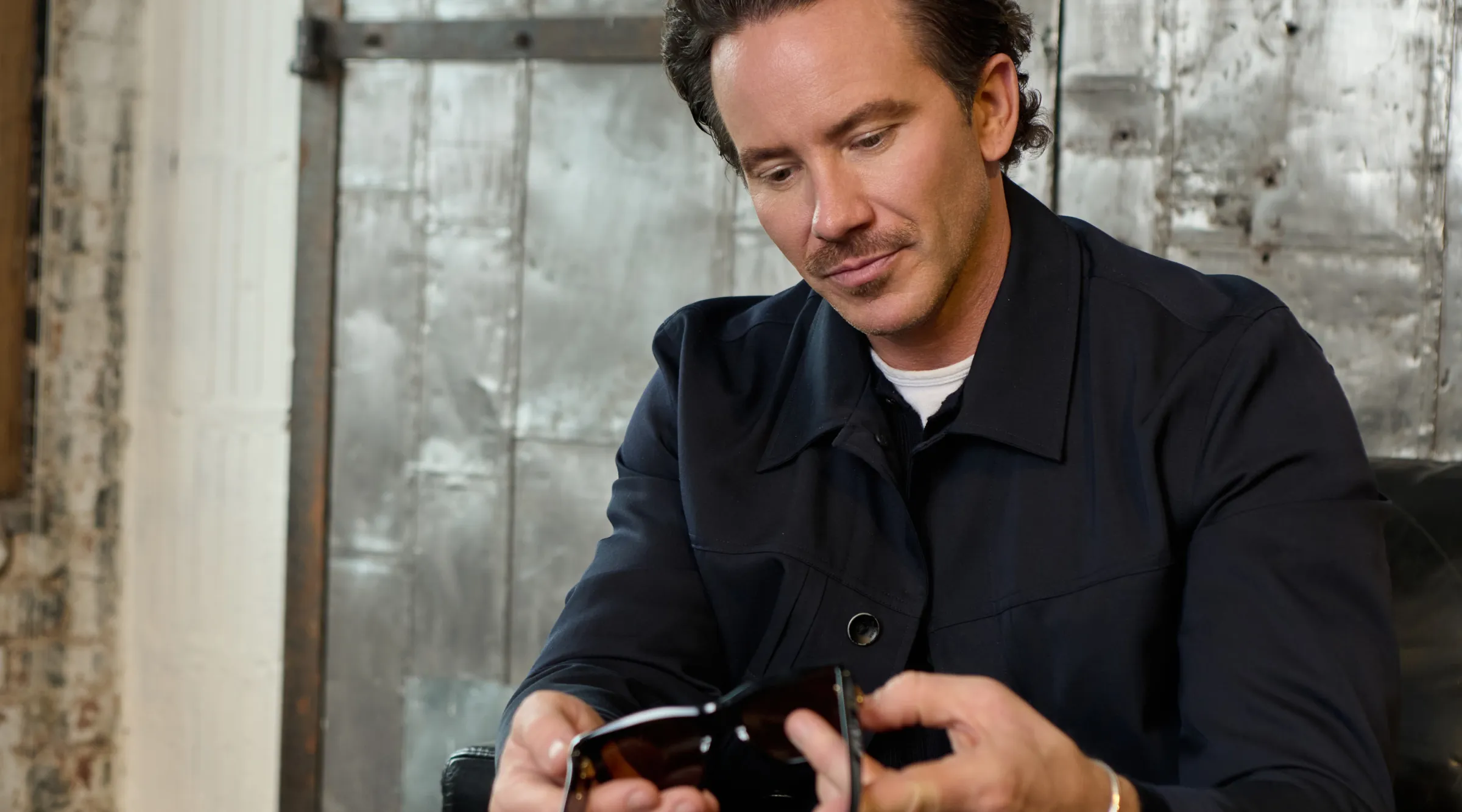
Jennie McCormick «We always start with a strong foundation in classic eyewear shapes — that’s non-negotiable. But within that foundation, there’s a lot of room to play. Our design meetings are genuinely fun and inspiring: we try on shapes, debate proportions, and discuss how to adapt emerging trends so they feel like rag & bone. As someone who is obsessed with eyewear — I own more than 20 pairs of sunglasses and counting — being in those conversations never gets old. The key is creating shapes with intention. The eyewear world is vast, and trends move fast. But much like our clothing, we want our eyewear to feel effortless and timeless — something that enhances an outfit and adds a quiet edge without ever feeling like it’s trying too hard. Innovation shows up in the details rather than the headline. Our color combinations, finishes, and hardware details are where we push boundaries — subtly, deliberately, and always in service of the overall aesthetic, and completing the rag & bone look».
In which directions might the brand evolve in the future?
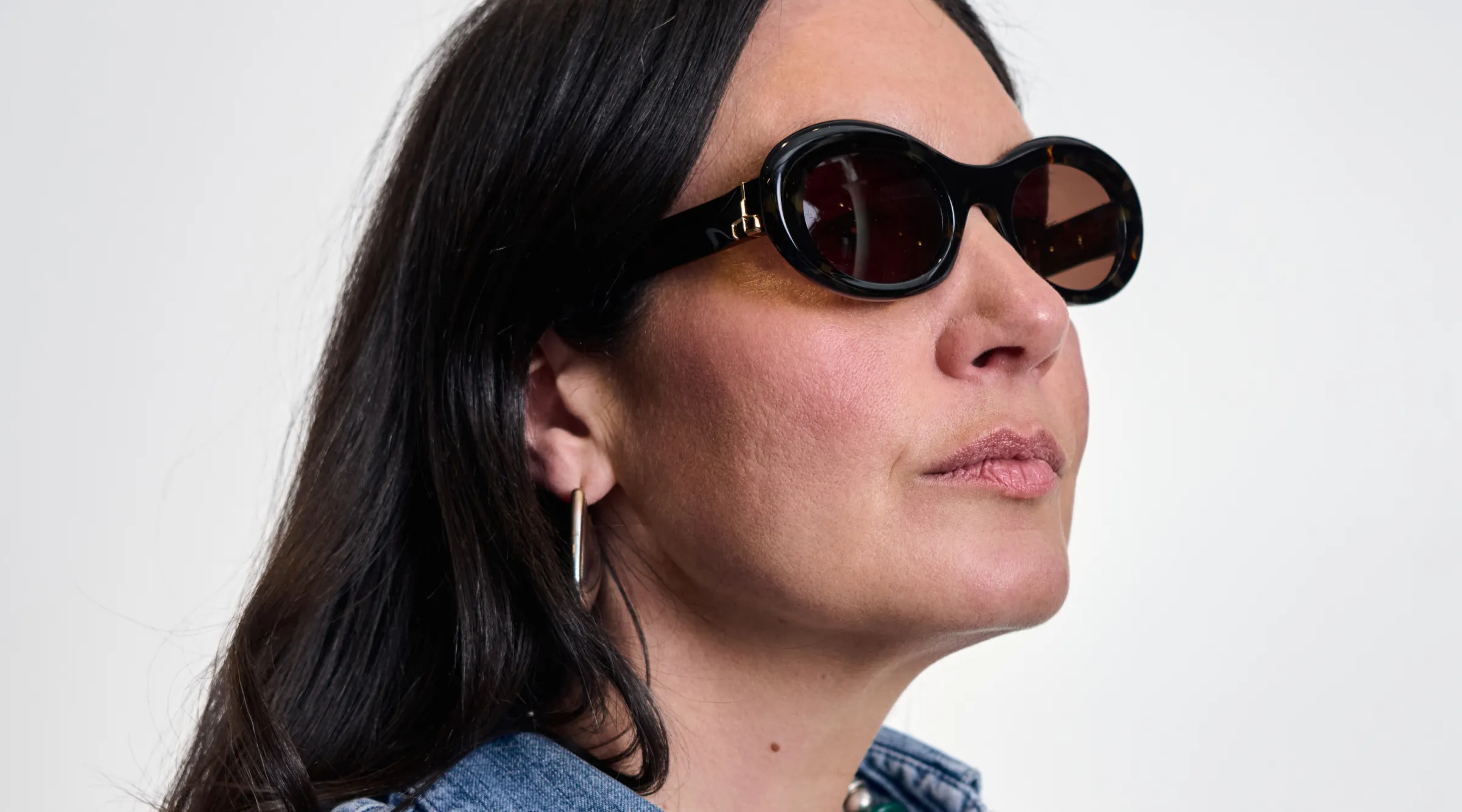
Kyle M. Sweeney «We’ve always existed in the tension between heritage and modernity. Looking ahead, it’s about elevating the brand, expanding the lifestyle, and innovating to meet the needs of the customer of the future – while staying grounded in that heritage. We see a real opportunity in building out a broader product ecosystem, with eyewear playing a critical role in that evolution. What’s interesting now is exploring that tension through new materials, finishes, and construction techniques – particularly in categories like eyewear, where the product is both functional and deeply personal. Eyewear becomes a natural extension of the wardrobe. Something that completes a look, but also subtly defines it. It’s not an accessory. It’s an expression of identity at eye level. Ultimately, it’s about building a more complete, head-to-toe perspective, where every piece feels considered and connected».
rag & bone is at the beginning of a new collaboration with Marcolin: what do you value most about this partnership?
Jennie McCormick: «Marcolin brings decades of expertise and a deep, nuanced understanding of the eyewear industry — that kind of knowledge is invaluable, especially as we continue to grow and scale the collection. What excites me most is how much their know-how elevates what we’re able to execute. The collaboration between our teams is genuinely creative and collaborative. There’s a real back-and-forth — the Marcolin team pushes us, we collaborate with them, and the result is better than either of us would arrive at alone. What makes it feel so natural is a shared starting point: quality first, always viewed through the lens of considered design and meaningful innovation. Marcolin doesn’t just manufacture — they think about product the way we do. That alignment in values is rare, and it’s what makes us genuinely excited about where this goes».
Who is this new collection designed for?
Kyle M. Sweeney: «The rag & bone customer is highly attuned. They edit, refine, and collect with intention. There’s an ease to how they dress, but it’s never accidental. They’re not chasing trends – they’re building a point of view. That mindset shapes everything. Frames are designed to move effortlessly across moments…from morning to evening, and from everyday life to travel – without needing to be reconsidered. There’s also an emotional layer. Eyewear has an immediacy – it frames the face, shifts posture, and changes how you’re perceived. A great frame doesn’t just complete a look; it alters your presence. The collection is grounded, but never static. We lean into subtle disruption in proportion, tone, and detail. It’s about precision, with just enough tension to make it feel personal».