Linn Strachwitz

1

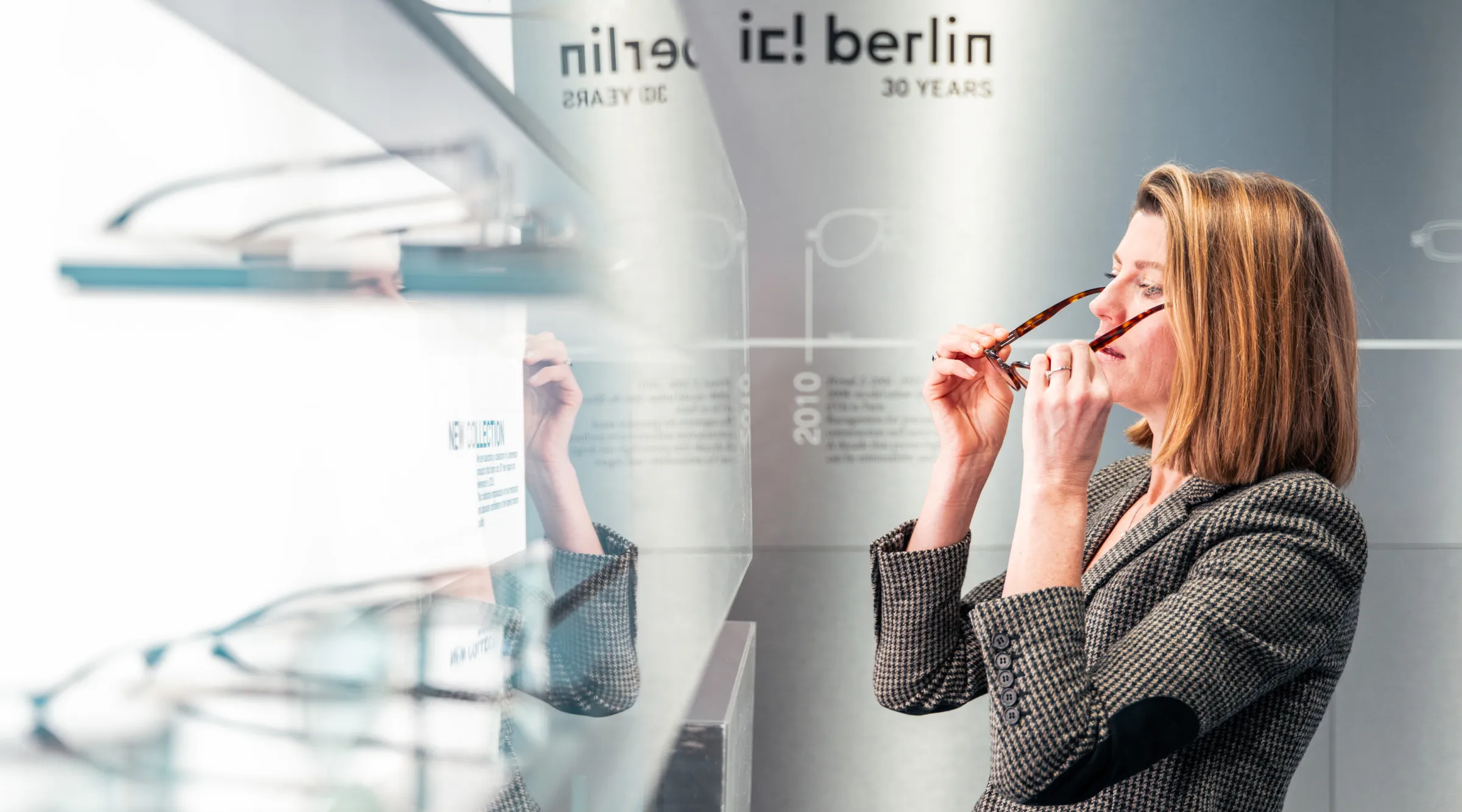
This year ic! berlin celebrates its 30th anniversary. In your opinion, how has the brand managed to remain relevant for new generations without betraying its identity?

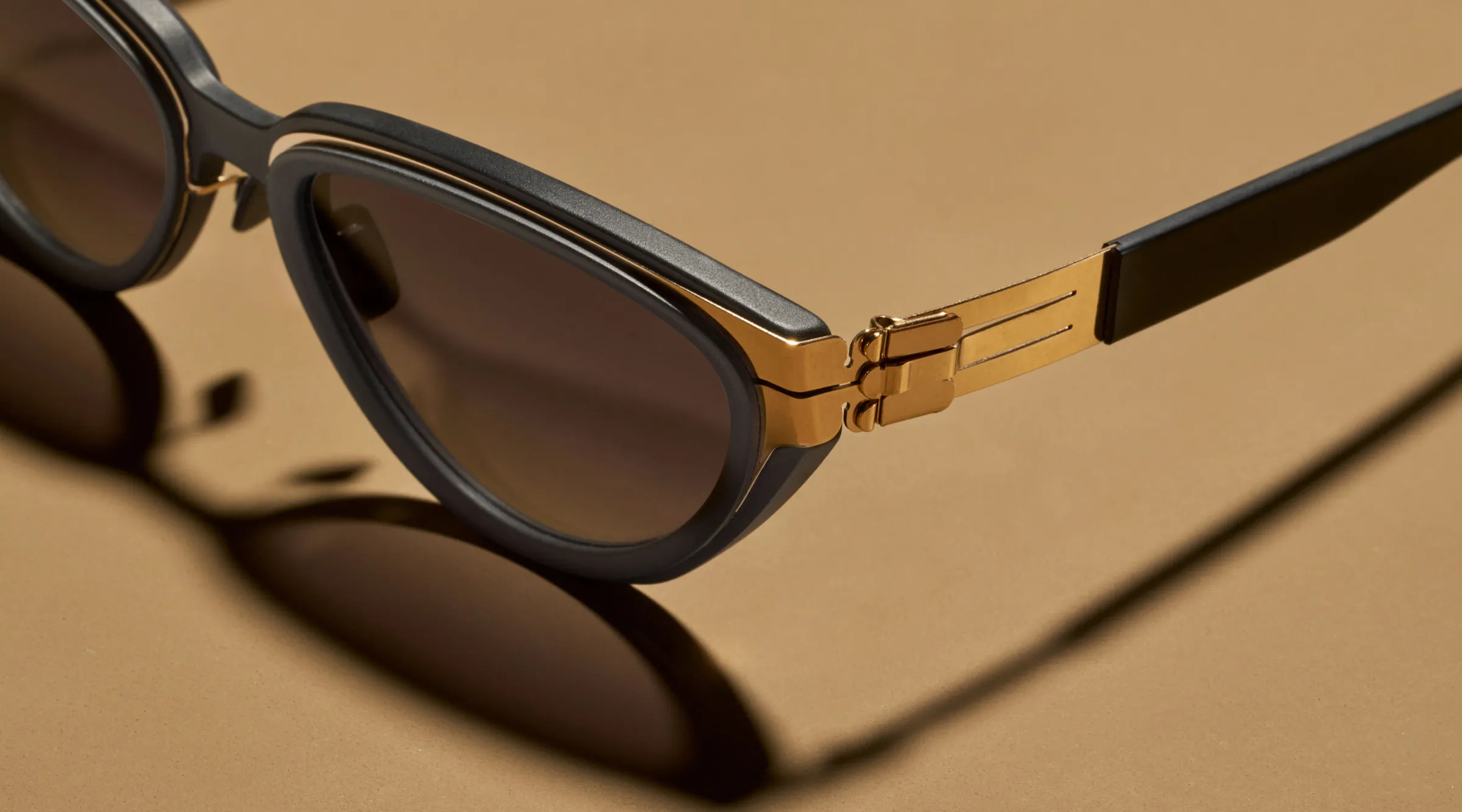
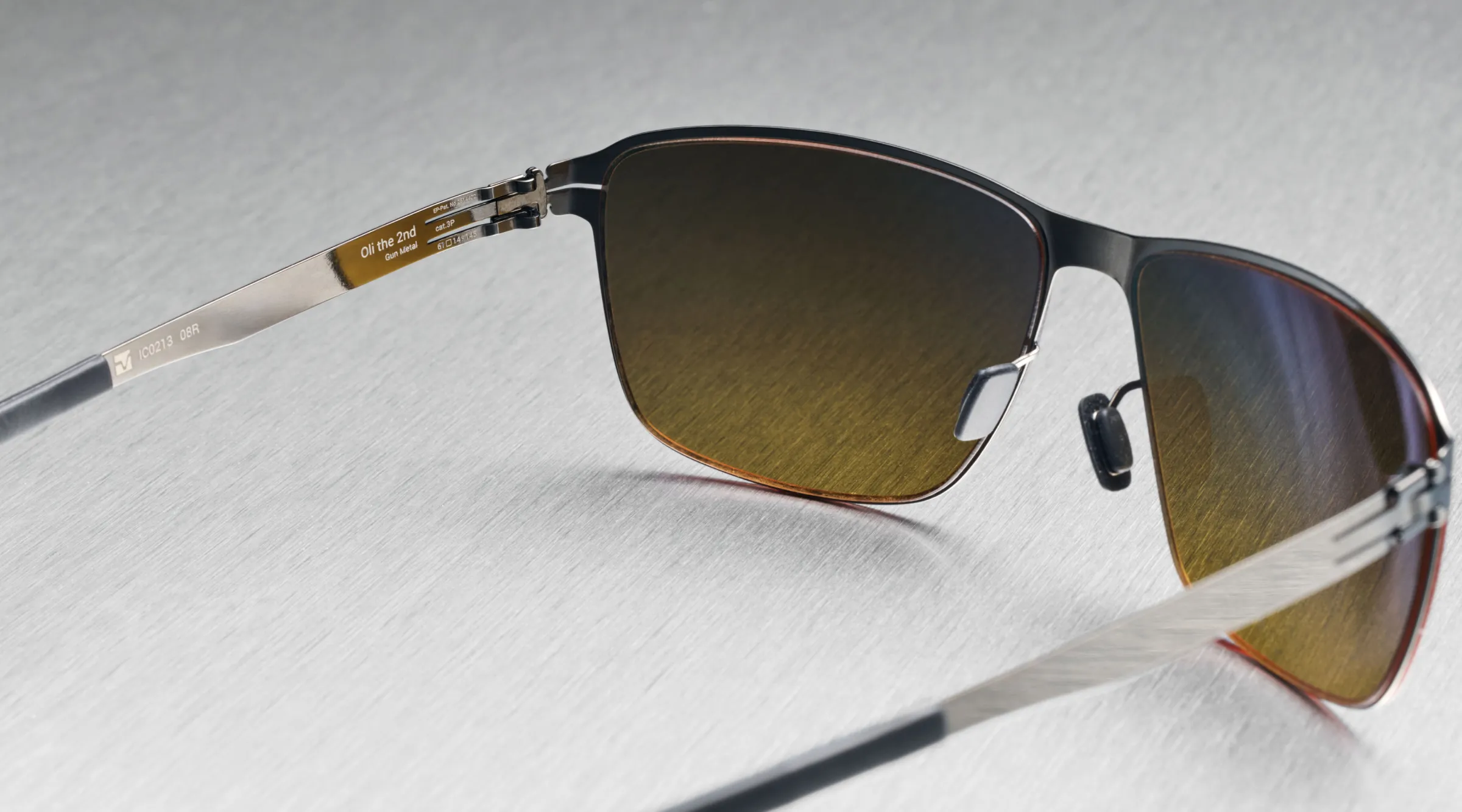
«By staying true to its founding principles, rooted in creative engineering, minimalist design and technical excellence. These are precisely the qualities that have made it possible to create cold-laminated stainless-steel frames made unique by the futuristic screwless hinge, a tec hnical solution that remains unmatched in terms of lightness, durability, comfort and precision. A form of quiet luxury that perfectly aligns with contemporary aesthetics and allows the brand to connect naturally with new generations, as confirmed by the strong interest in the special capsule collection created to celebrate the first 30 years of ic! berlin, which adds new chromatic finishes to the brand’s heritage».

2

Looking at your professional journey, what has helped shape your vision of marketing in the eyewear industry? And what advice would you give to a young person who wants to work in this field today?

«Before joining ic! berlin, I spent 15 years working in marketing and public relations for luxury fashion and e-commerce companies. This taught me that, at its core, successful marketing and PR always revolve around the customer: to be appealing, trustworthy and engaging, it is essential to understand their needs. I brought this principle into the eyewear world, even though it is a highly competitive landscape with a vast number of brands, where clarity and differentiation are more essential than ever. With ic! berlin, this task is both a responsibility and a privilege, because the product itself is so unique in terms of quality, engineering and design that it offers a strong and honest story to tell. To anyone who wants to work in this industry, beyond solid training, I would recommend staying curious across different fields and choosing brands you truly believe in, because only authenticity allows a brand to stand out from the background noise, especially in a crowded market like eyewear».

3

“Made in Berlin” is an integral part of the brand’s DNA: what is the strength of this cultural identity and how does it manage to resonate with a global market?

«Made in Berlin represents both a mindset and a place. Berlin stands for creativity, independence and unconventional thinking, values that are deeply embedded in ic! berlin’s approach. Continuing to manufacture in Berlin also allows the company to maintain full control over quality, innovation and manufacturing expertise: from the first sketch to the final inspection, all collections are produced and quality-checked. Yet it is precisely this strong local identity that enables the brand to connect on a global level. By focusing on design, technical excellence and product performance, ic! berlin speaks to those who value substance, confidence and originality, regardless of geographic location».

Karen Giberson

How has the role of accessories within the fashion ecosystem changed in recent years?

«When the Accessories Council was founded in the mid-1990s, fashion was at the height of minimalism: many designers did not place much importance on accessories, and several brands had not yet expanded into handbags, jewelry, eyewear, or footwear. Today, accessories are an essential part of a brand’s identity and strategy. They are no longer secondary categories but are often among the most visible elements of a collection, thanks to their accessibility, versatility, and durability. Accessories can have exceptional longevity: they can be worn repeatedly, stored, collected, and appreciated for years—often much longer than apparel. The right accessory is one of the simplest and most effective ways to refresh a wardrobe, transforming a basic piece into something unique. In terms of ‘cost per wear,’ accessories remain one of the best investments in fashion».

Between niche and global markets, what do you see as the greatest opportunities and main challenges for companies in this sector?

«Today, one of the greatest opportunities for brands lies in expanding into new categories while staying true to their core identity. The most successful brands are those that manage to enter new product categories while preserving the essence, perspective, and DNA of the designer or the company. At the same time, the current retail environment, particularly in the luxury segment, presents challenges in how and where brands connect with consumers. Many brands are developing direct-to-consumer initiatives, partnering with specialty stores, and finding innovative ways to engage audiences through pop-up stores, festivals, social media, collaborations, and experiential retail. Fashion is constantly evolving, and only brands that are innovative, agile, and willing to experiment with new ideas will endure. In today’s market, standing still is not an option».

As a global player positioned at a strategic crossroads between fashion, industry, and innovation, what can Marcolin contribute to this segment?

«Marcolin has built an extraordinary portfolio of brands spanning different aesthetics and price segments, with each collection reflecting a deep understanding of the brand’s DNA. What makes Marcolin particularly compelling is its ability to combine functionality with fashion: eyewear must serve a practical purpose, but Marcolin’s collections also offer a reason to desire something new and special, closely connected to brands that consumers love. As the company continues to evolve, its ability to combine outstanding design, international talent, and a strong strategic distribution network strengthens its global leadership. Marcolin has the opportunity not only to respond to the future of the accessories industry, but also to help shape it».