You are part of the global elite in this sport: what has trail running taught you so far, both athletically and on a personal level?
«Through this sport I’ve learned a lot about myself—I’ve grown, and compared to when I started, my perspective has completely changed. At the beginning I was very focused on performance and winning. Today, my focus is on giving my best, not necessarily on being the best. You know, when you’re out there for more than 12 hours, you can’t hide from yourself—you have to face who you truly are. I believe ultra running has taught me to let go of control a little, to be more adaptable and open to change, and above all, to be patient. Ultramarathon running is not a sport you can improvise—performance doesn’t come overnight; it requires consistent commitment and a great deal of patience».
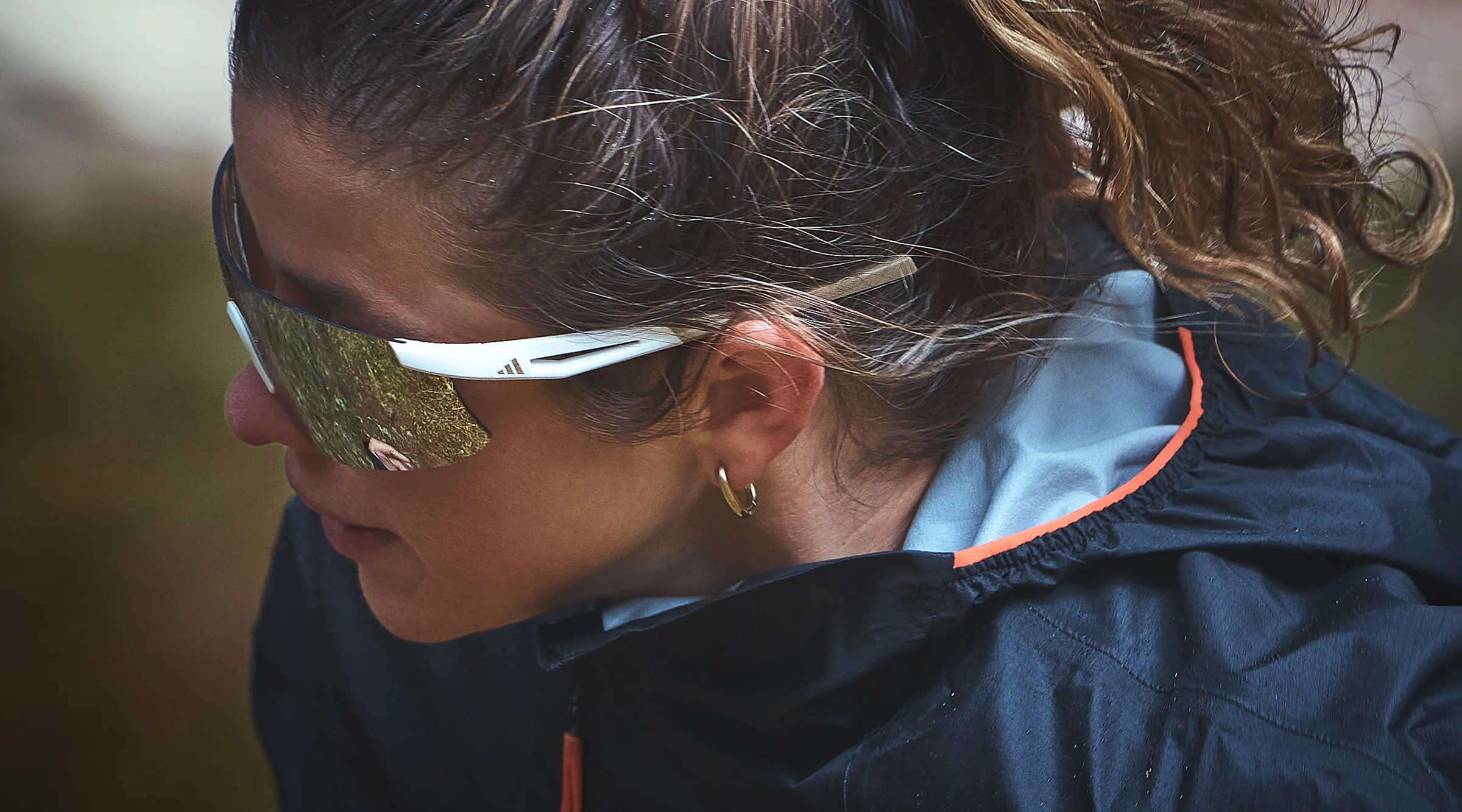
Running surrounded by nature, tackling steep ascents and descents, and covering incredible distances—often exceeding 100 kilometers. What drew you to an extreme discipline like ultra trail running, where you have already achieved major victories?
«I’ve always been very sporty since I was a child, and as I grew up I tried many different sports. Then I discovered trail running at a time in my life when I needed a challenge—something that would allow me to step outside my thoughts. Running in nature is an incredibly powerful way to calm the mind. Extreme sports also force you to truly face yourself and your vulnerability».
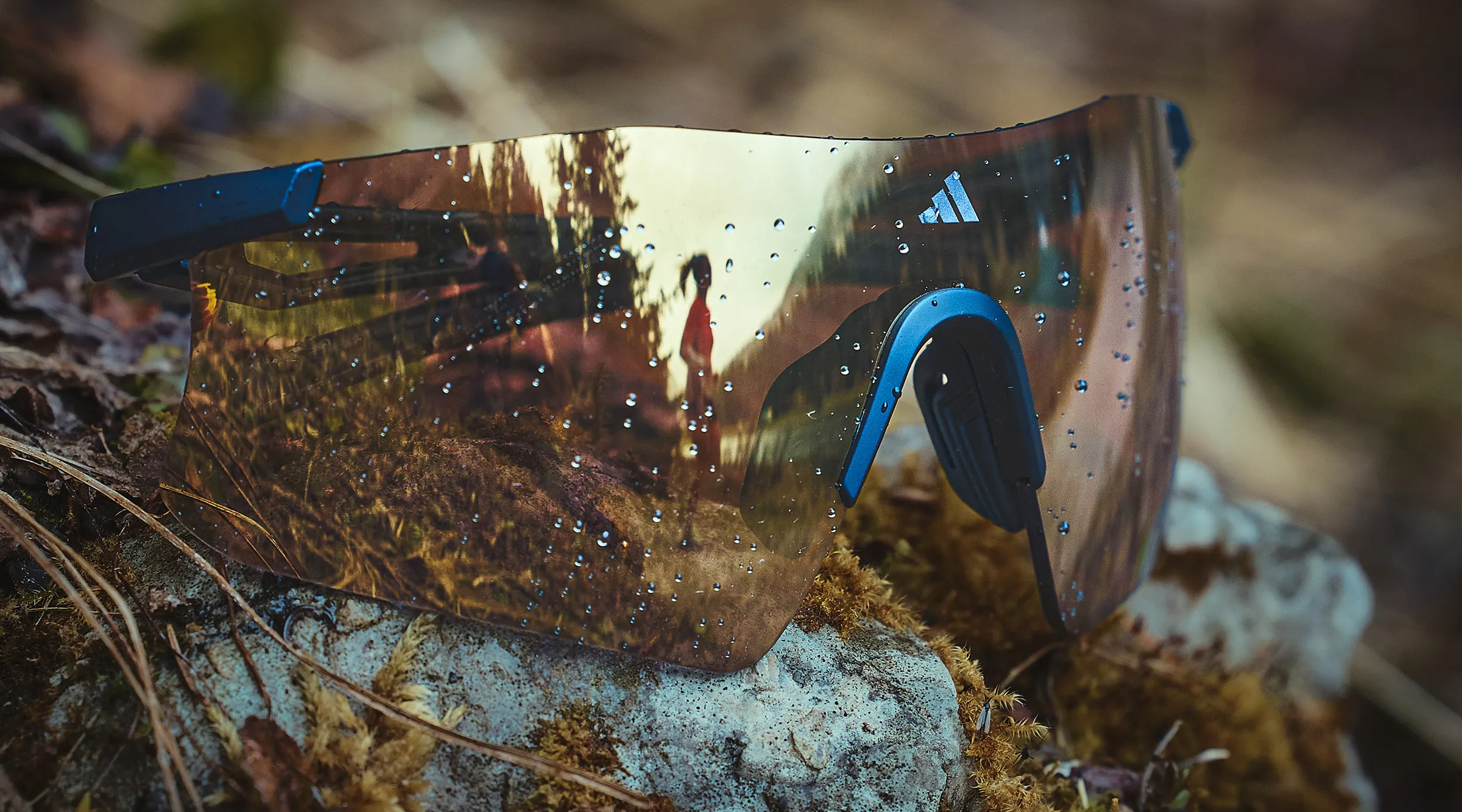
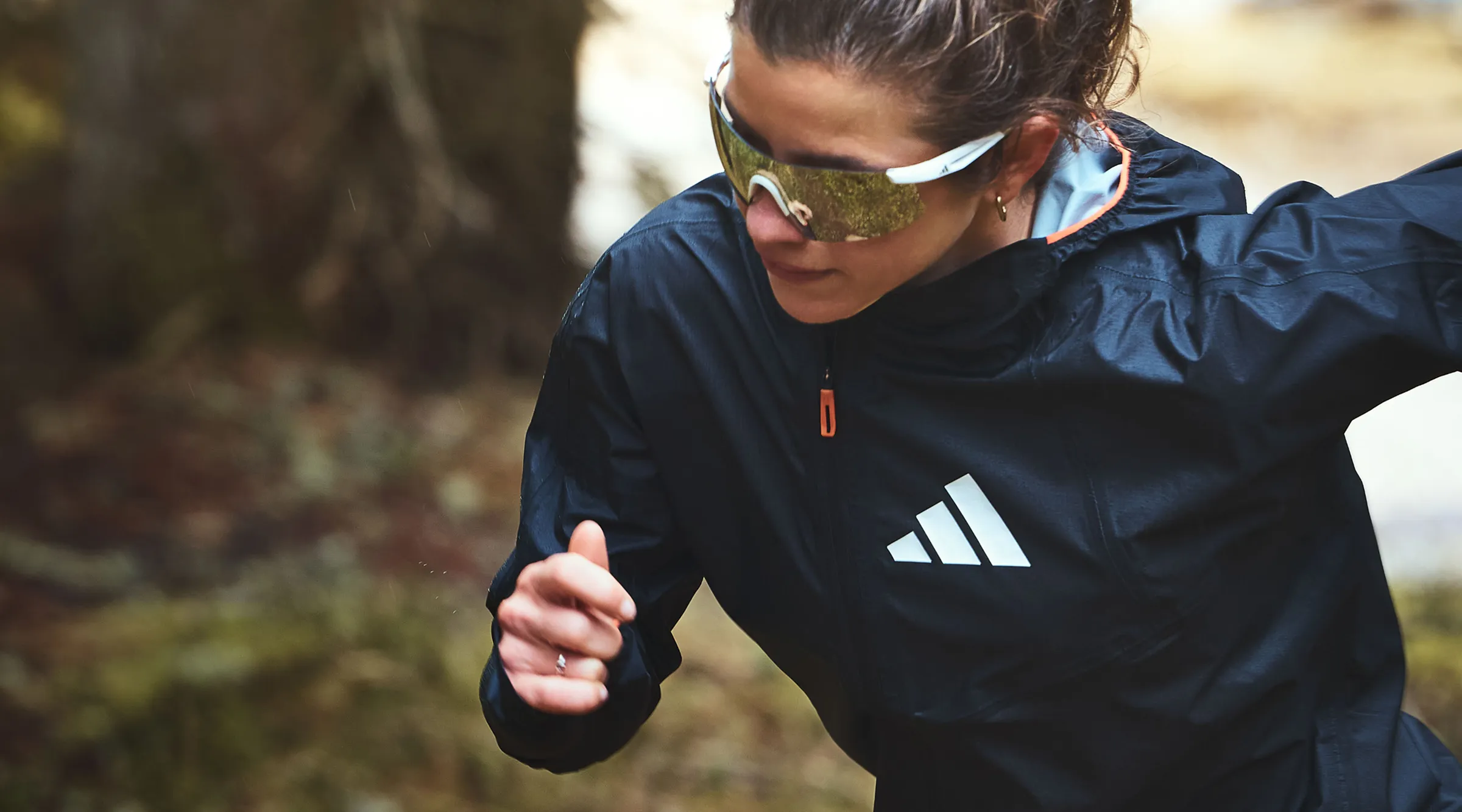
Most trail races take place in the mountains, where changing weather and light conditions can have a significant impact. To maintain clear vision even in the most extreme situations, what features should eyewear have, like the Kentro and Kaphiros models by adidas Sport?
«Running is an incredibly technical sport, exposing you to a wide range of lighting conditions and terrains: there may be rocks, mud, snow; you might be in the shade or under full sunlight, and all of this, if you don’t have a clear view, can truly impact performance. Of course, you need to be able to trust your equipment—your shoes, your backpack, everything—but vision is one of the key factors. adidas Sport Eyewear glasses, thanks to the Powervizn Lens System technology, ensure color brilliance and visual clarity in all conditions, with a base tint and a mirror coating calibrated to confidently tackle any terrain. And in trail running, running safely is the most important aspect».